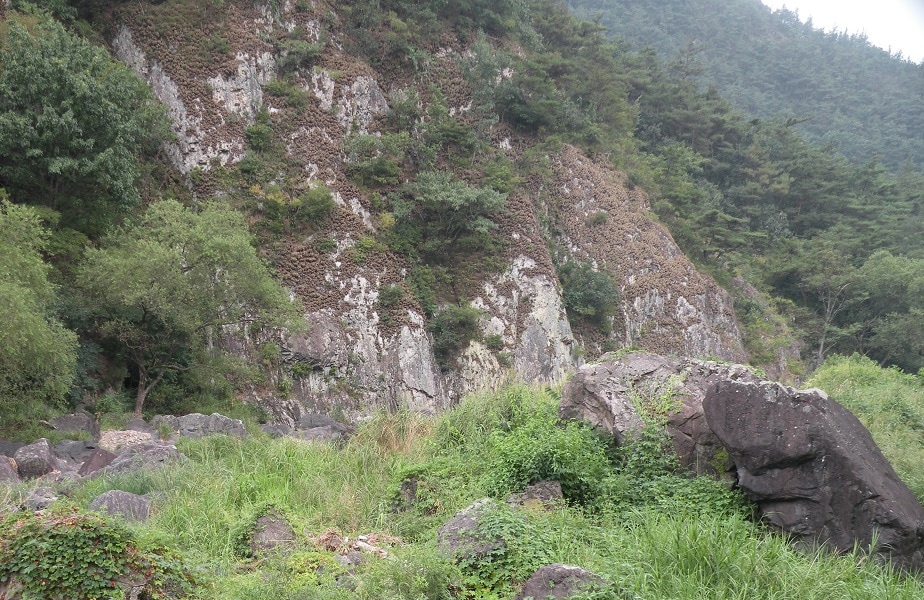
| Bing-san Korea's "Cold Mountain" a.k.a. Bukdu-san "North Head Mtn" Hill-Cliffs with Punghyeol Caves and Temples a County Park of southern Uiseong-gun Bingsan Gyegok Valley |
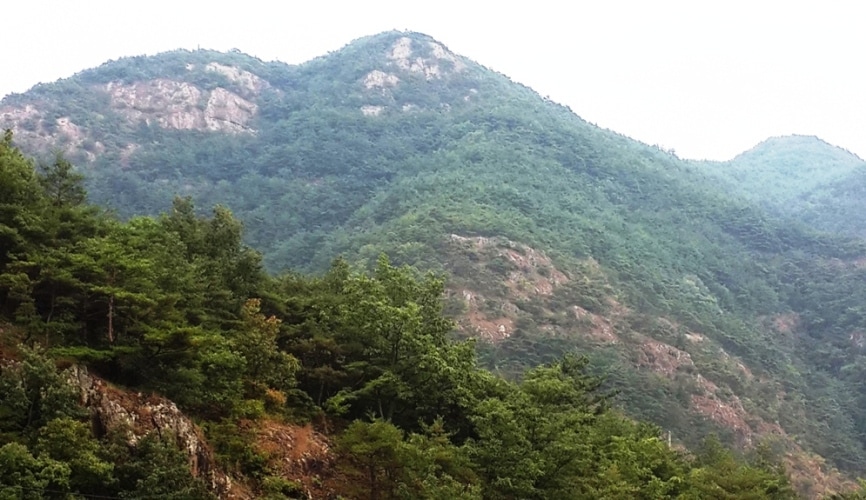
| on an unfortunately hazy & rainy day in August 2013... |
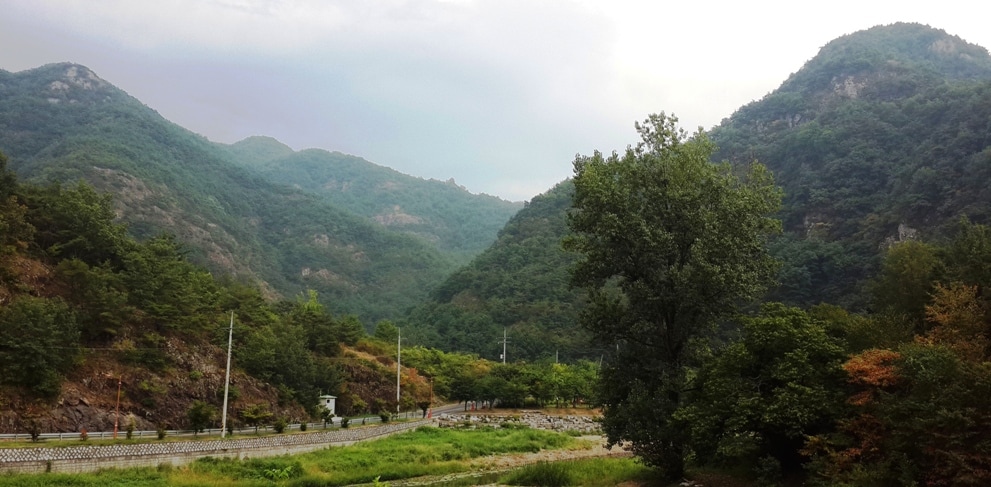
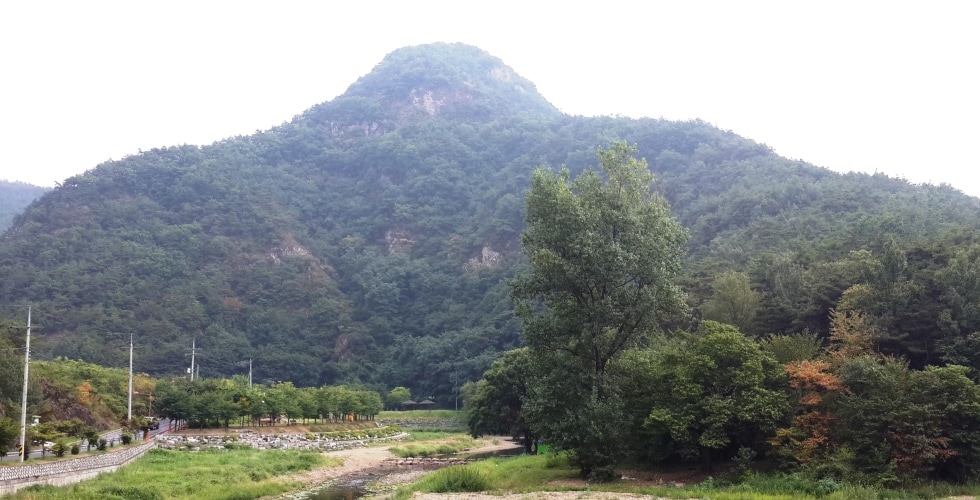
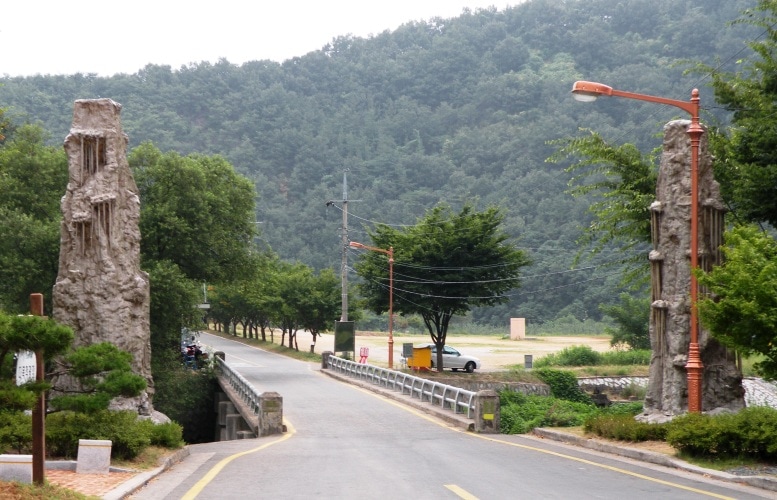
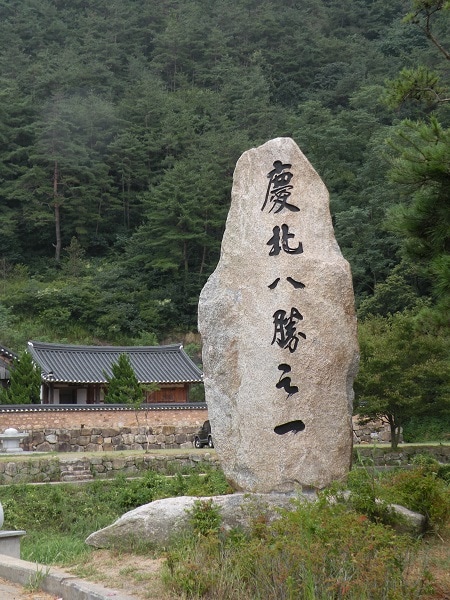
| entrance gate |
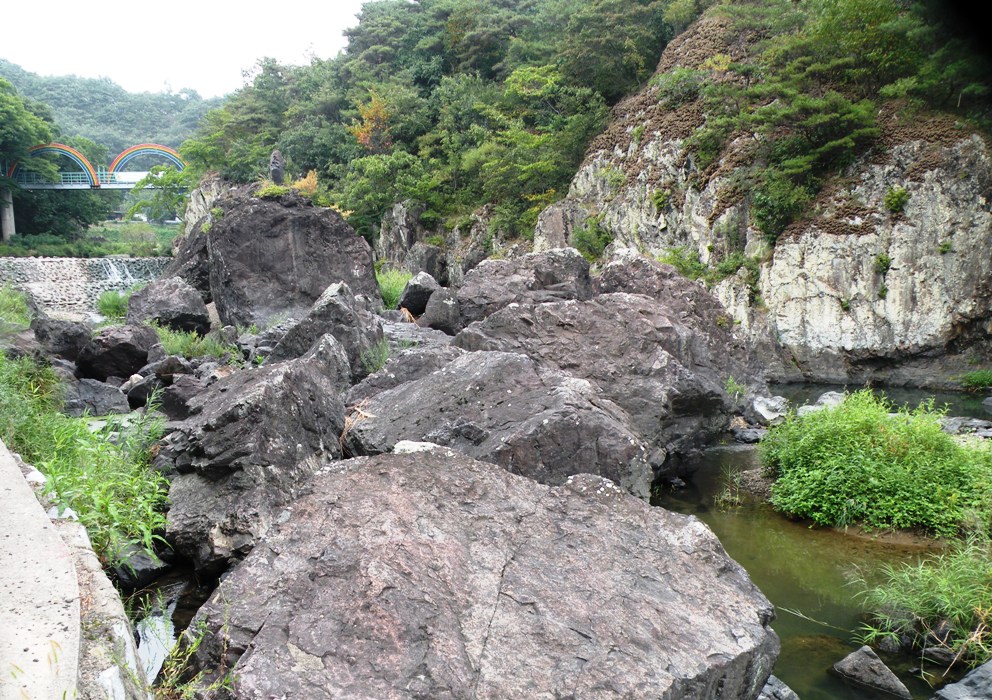
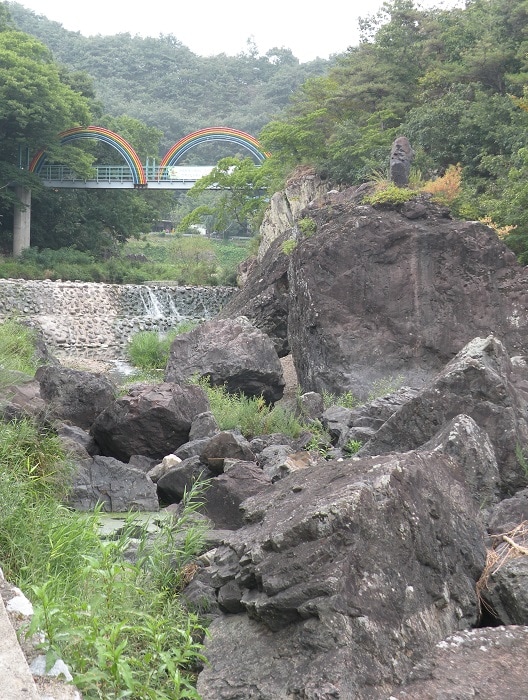
| really a beautiful place, and fairly well-developed for tourism -- although quite far from "anywhere"... |
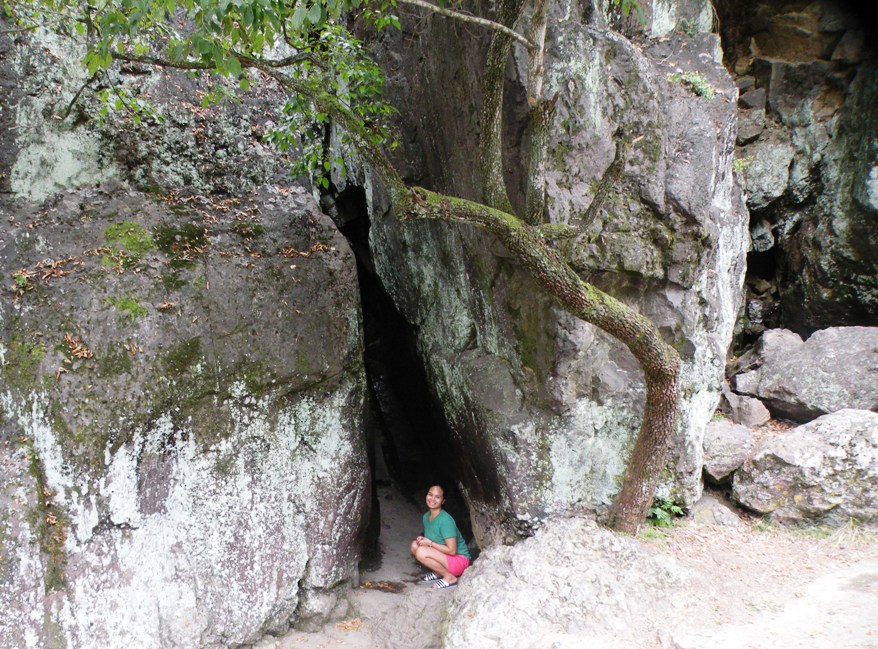
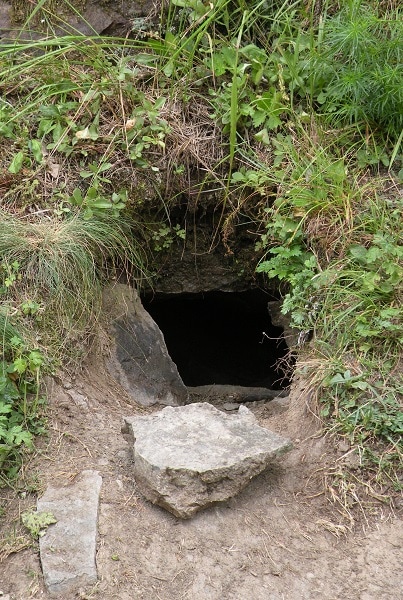
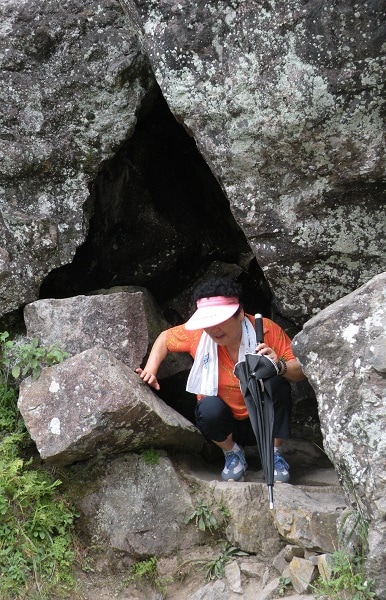
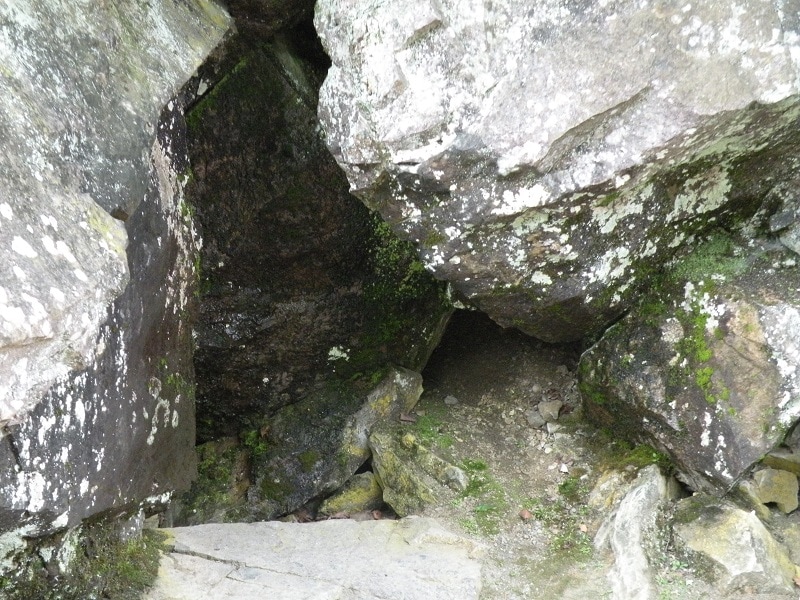
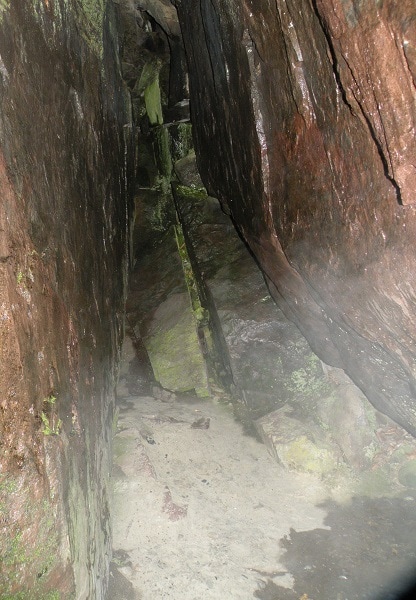
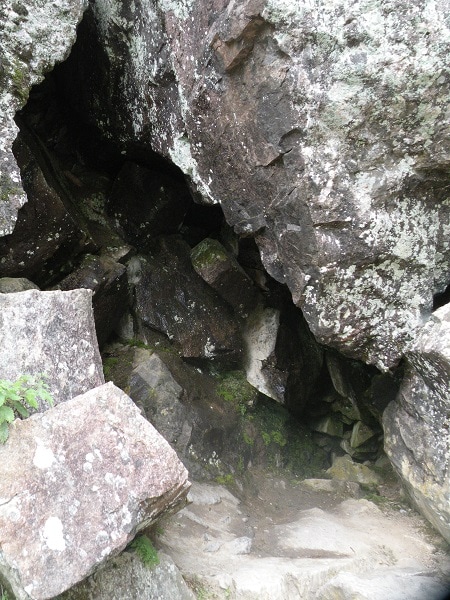
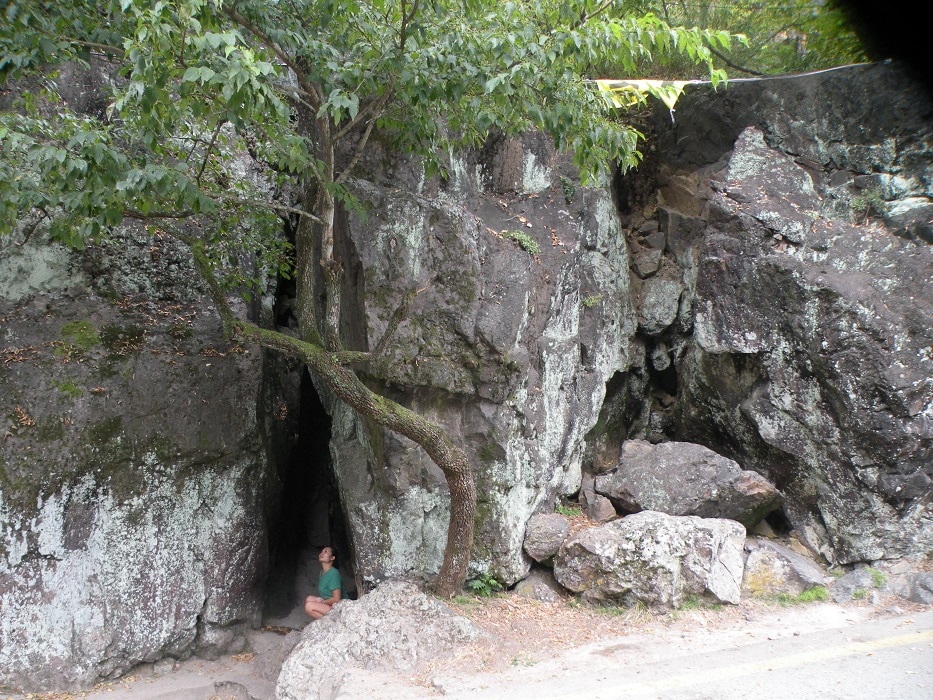
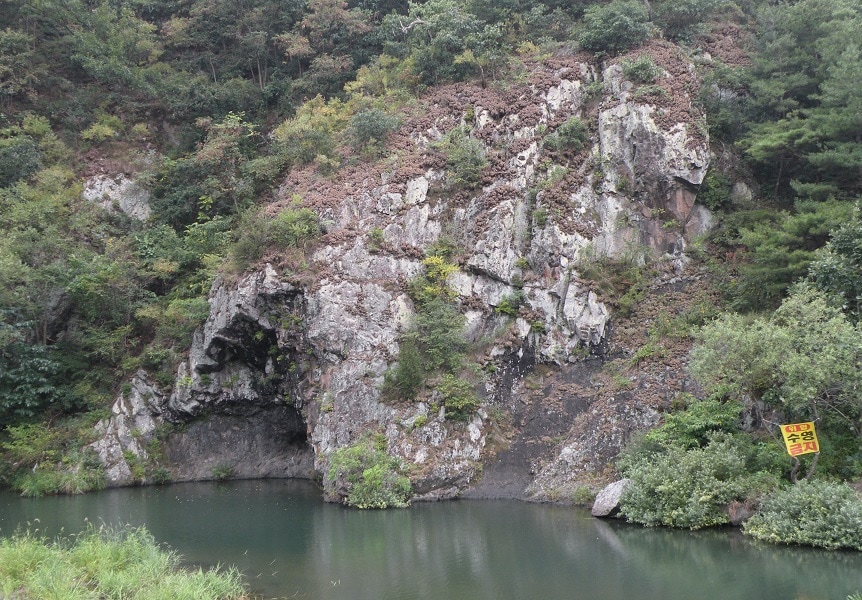
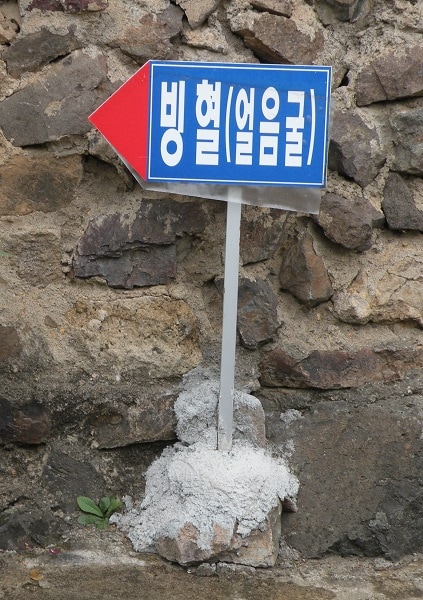
| one of the larger punghyeol cavern-outlets from which cold air flows out |
| ...and one of the smaller ones |
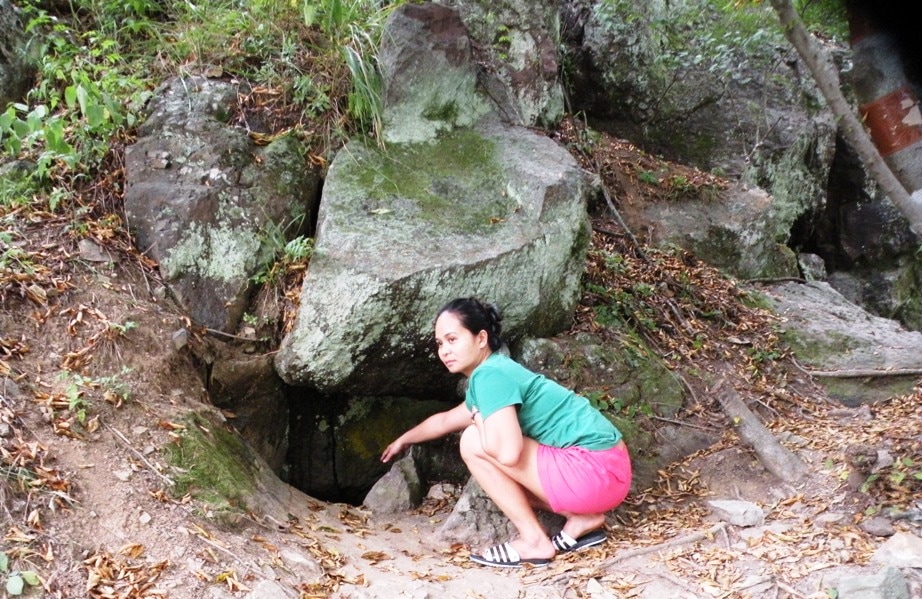
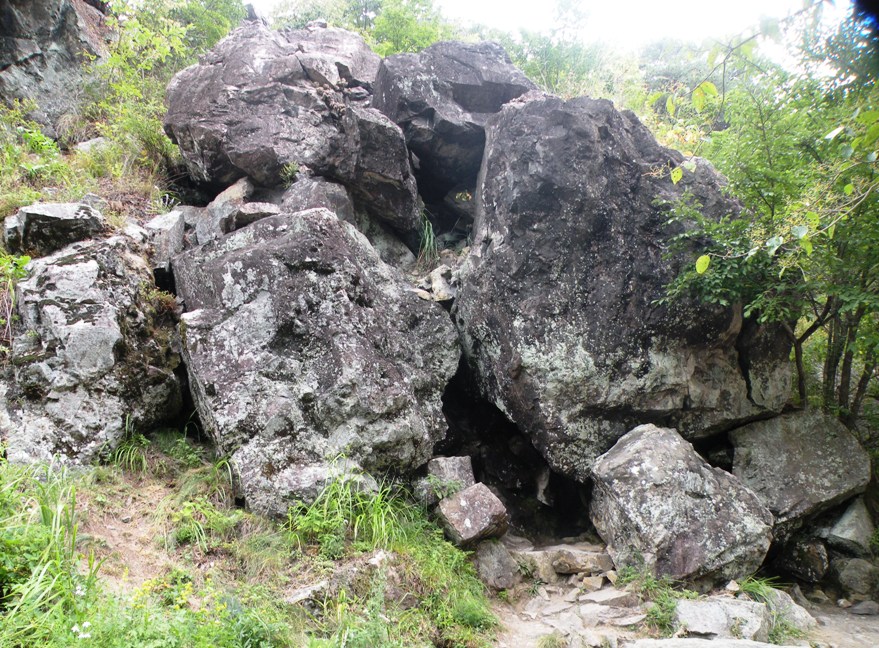
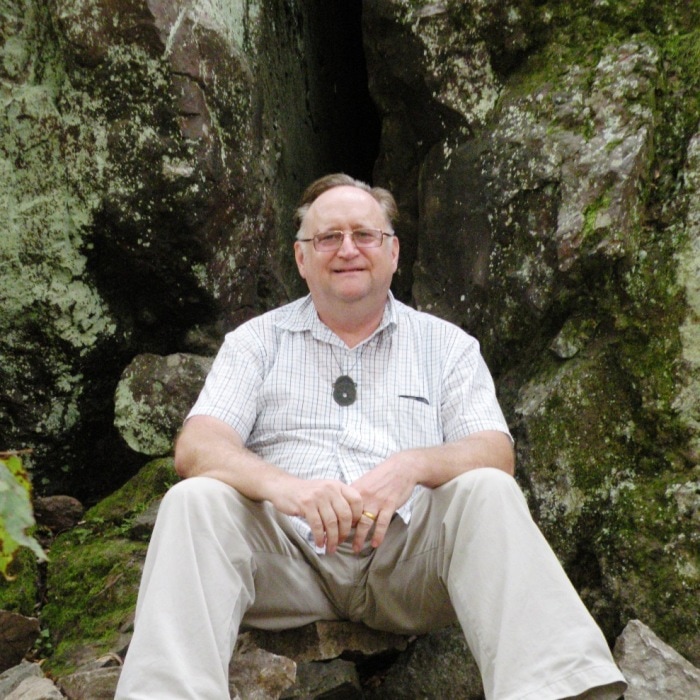
| Like sitting in front of an air-conditioner! my back was quite chilled in 2 minutes... |
| It is recorded that 9th-century sage Go-un Choi Chi-won stayed here during one or more hot summers, enjoying the cool air flowing out from these punghyeol and thereby balancing his physical energies and refreshing his mind -- living at the Buddhist temple on the next page. |
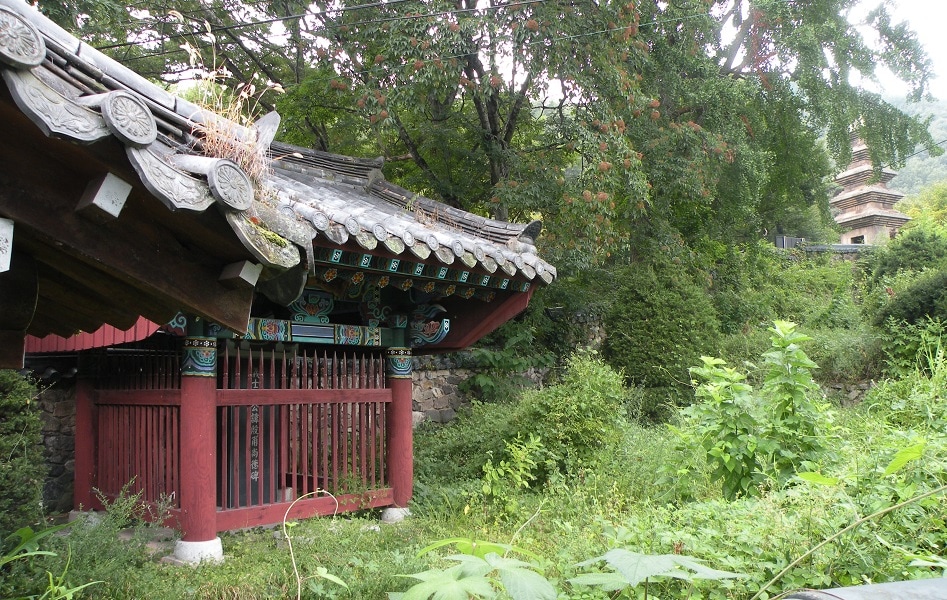
| Just downhill from the ruins of Bingsan-sa Temple is a small compound with the partly reconstructed Ingak-sa Confucian Shrine, which may once have enshrined a portrait of Choi Chi-won, for ritual-commemerative purposes associated with the Seowon (below). |
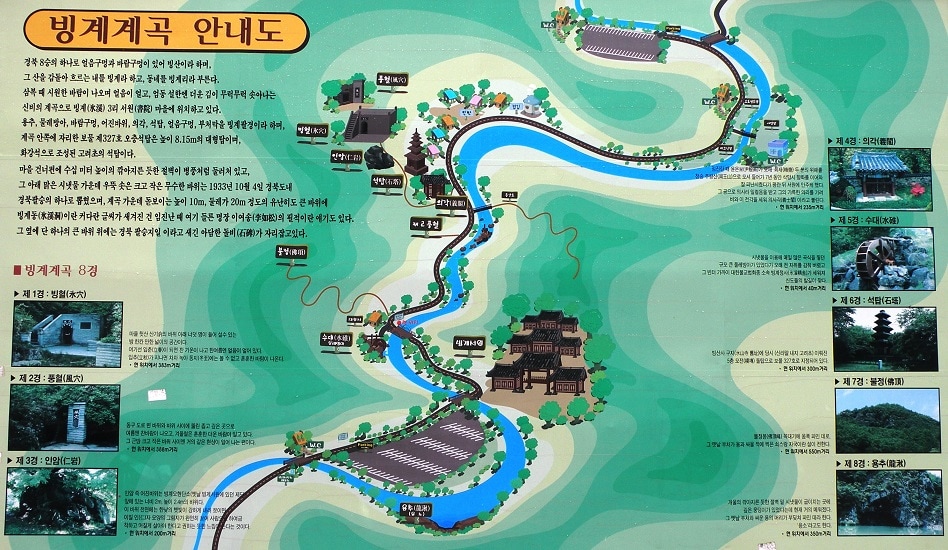
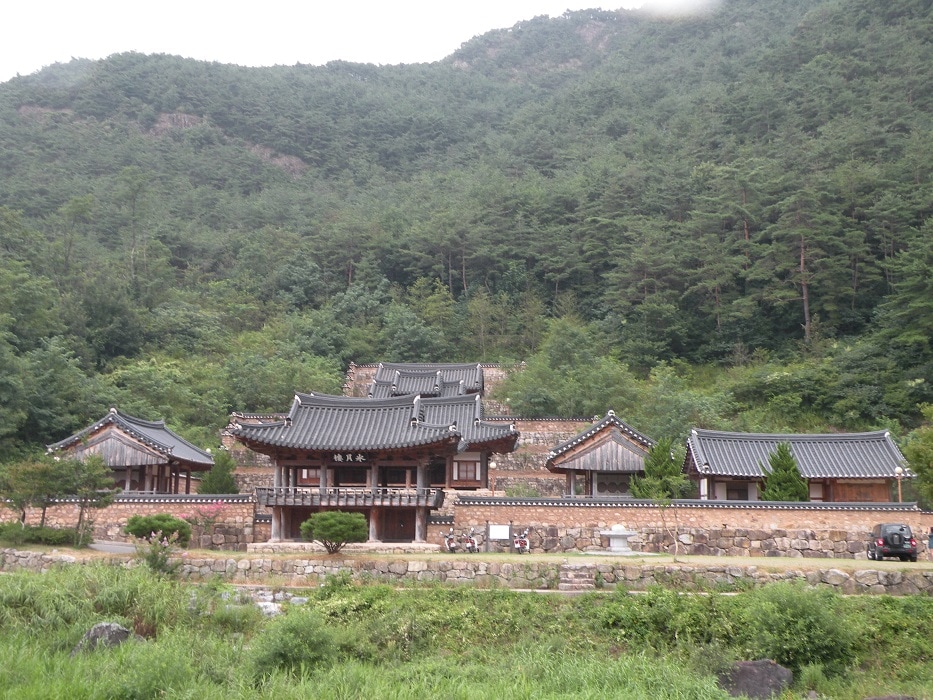
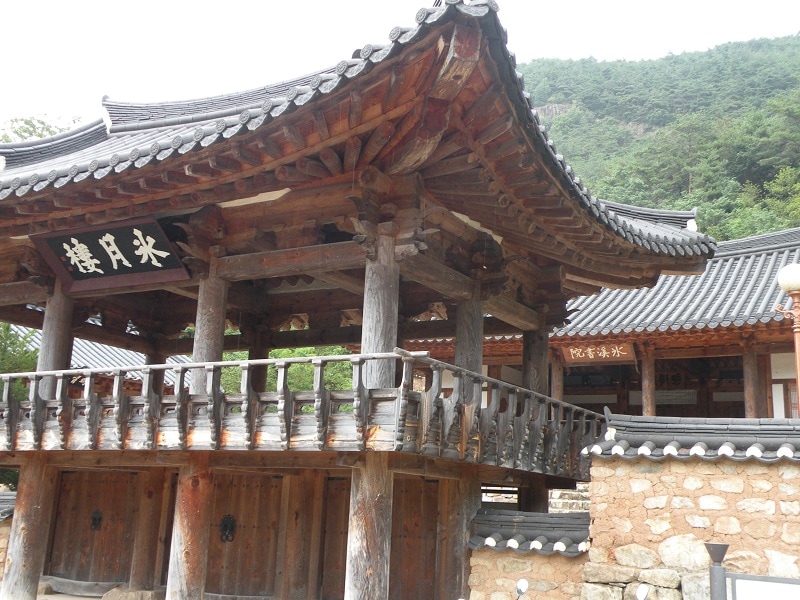
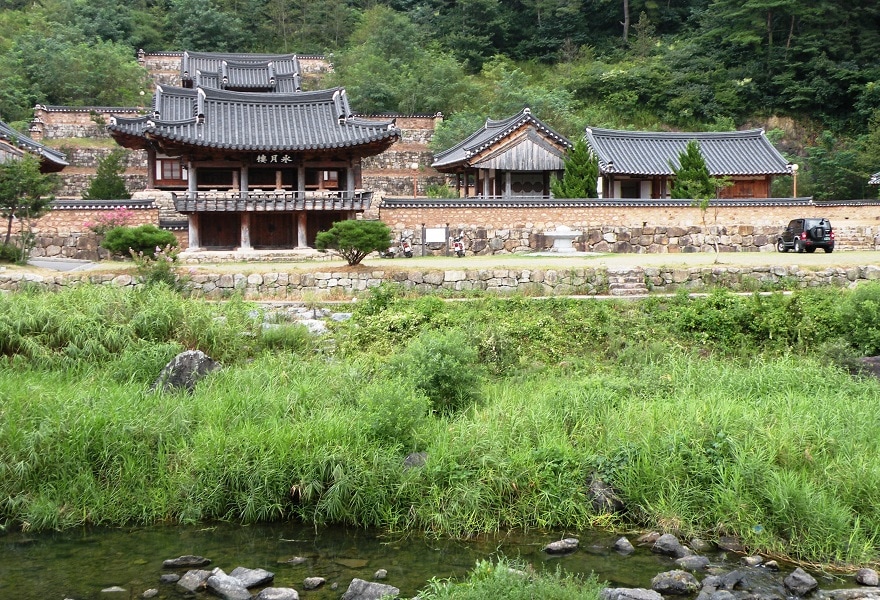
| Just inside the entranceway stands the rebuilt Binggye Seowon, a private Neo-Confucian academy established in 1566 by local philosopher-scholar "Hoidang" Shin Won-rok, and then upgraded to a seowon with a shrine honoring him by his disciple "Mojae" Kim An-guk. The name "binggye" is a condensation of "Bing-san Gyegok". After 1600 several other famous scholars taught here, including "Hoijae" Yi Eon-jeok and "Hakbong" Kim Seong-il. |
| There is also an old legend associated here, that Great Buddhist Master Wonhyo retreated to this "ice-cave" valley to cool-off his bodily energy after his torrid one- night-stand with Princess Yoseok, a famous tryst down in the Shilla Kingdom's capital Gyeongju that produced the Confucian scholar Seol Cheong (late 7th cen). |