| Gunwi-gun Hwa-san Han-gwang-sa |
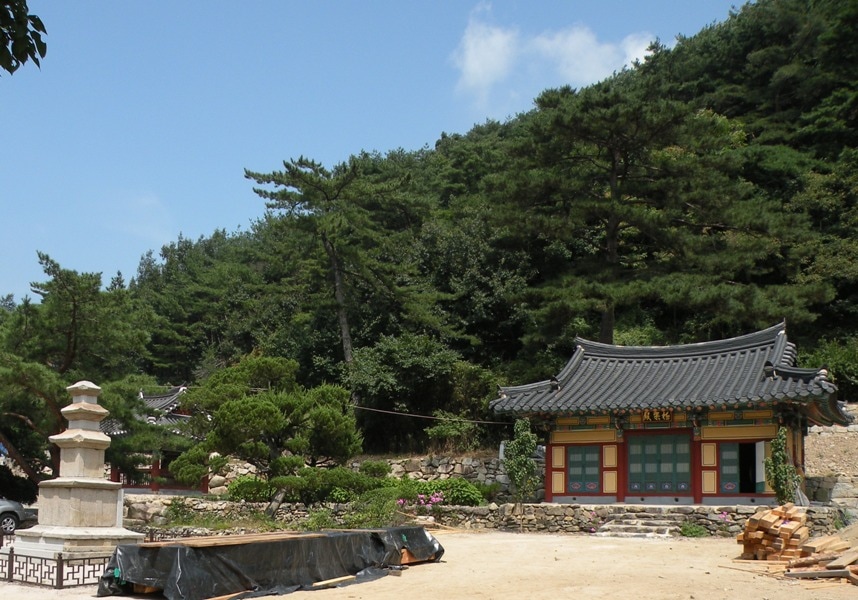
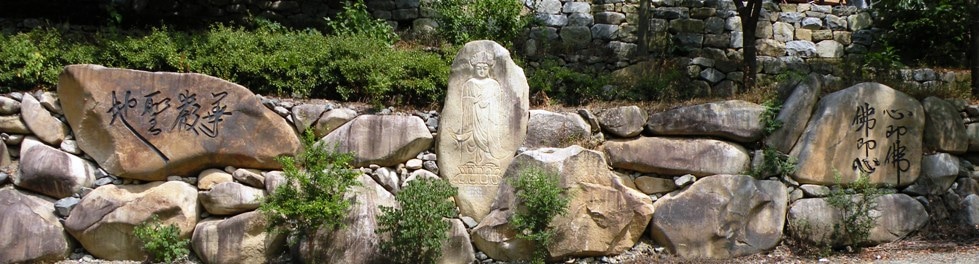
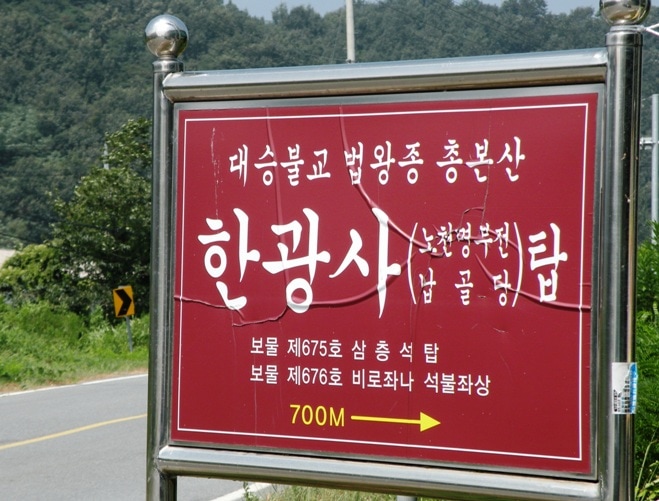
| this is an interesting, rebuilt, ancient temple 0.7 km into a deep in a steep valley on Hwa- san's western flanks, just off National Highway 28 between Yeongcheon Town and Gunwi Town -- hosting a stone pagoda and stone Buddha statue, both from the Shilla Dynasty and now nationally designated as Treasures. The sign identifies its host as "Chongbon-san" which does not appear on maps but is a subsidiary peak of Hwa-san; it also says that this temple is run by the minor Beopwang-jong [Dharma-King Order], rather than one of the mainstream Korean monastic orders. |
| entrance landscaping from the parking lot |
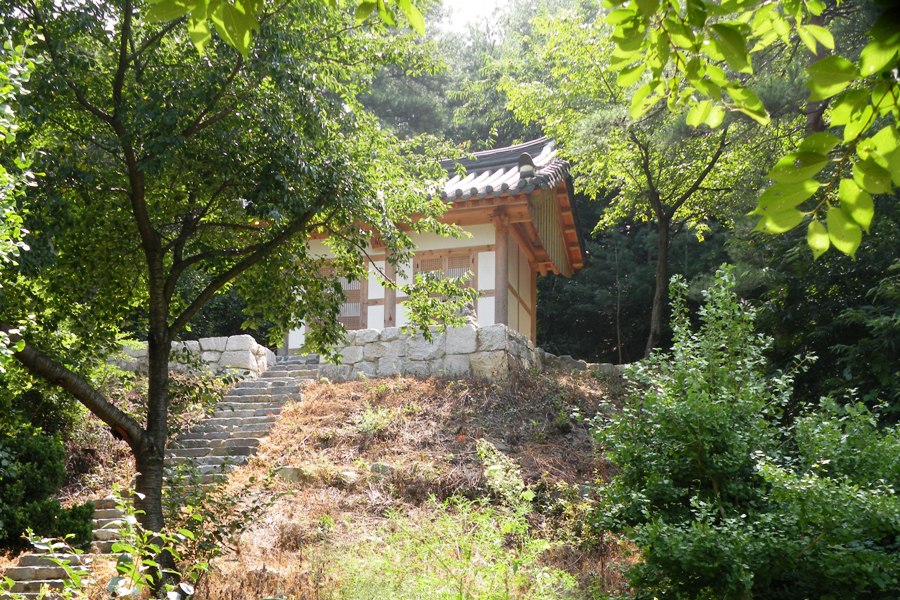
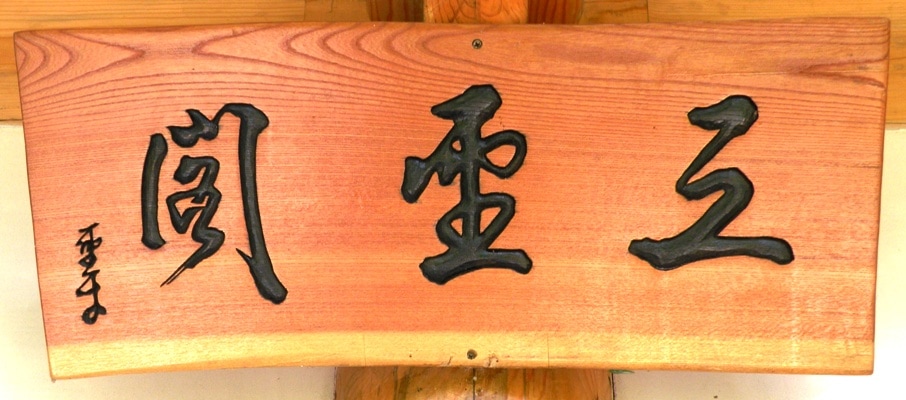
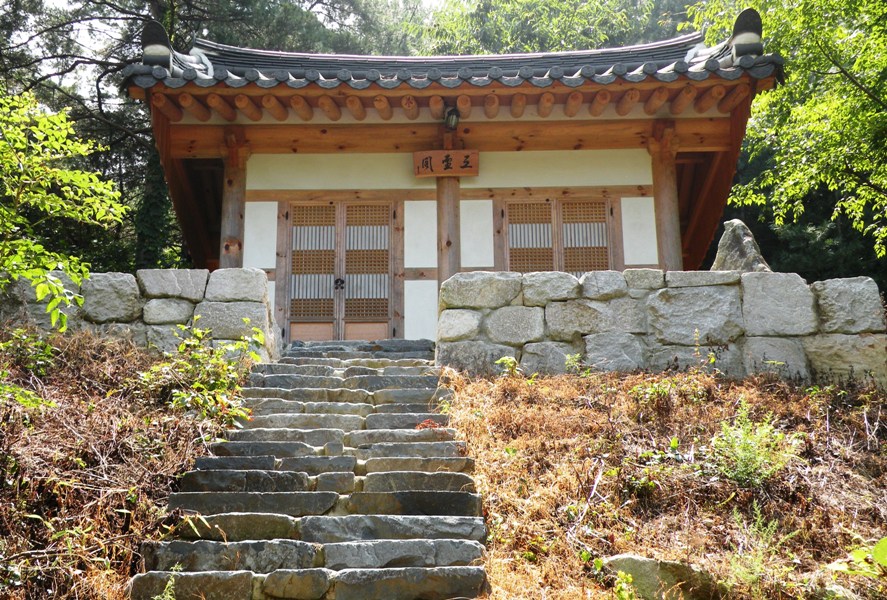
| a charming new Samseong-gak sits way up the slope opposite from the historic compound -- although named a "Three Sages Shrine", it contains only two icons -- |
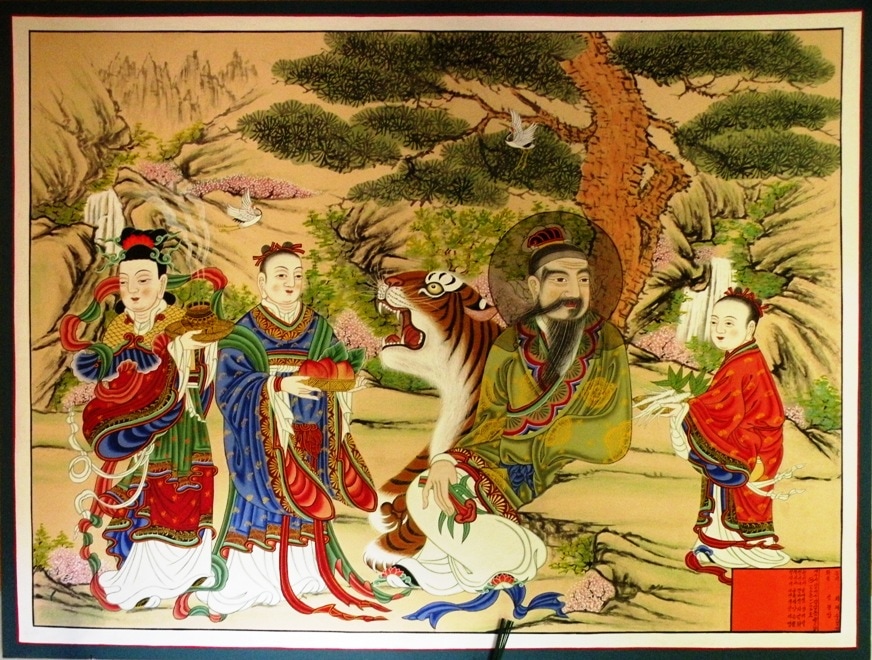
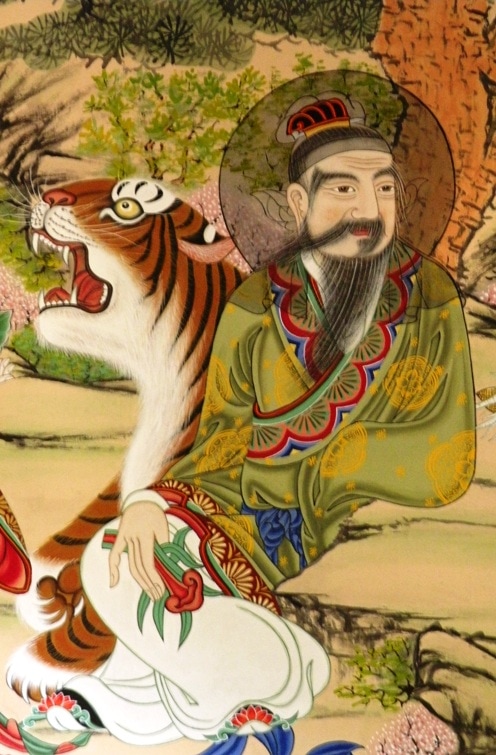
| its excellent modern Sanshin painting! |
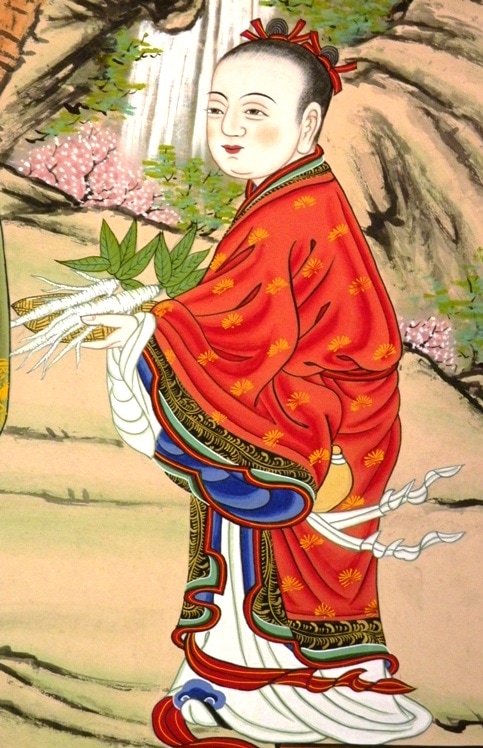
| extraordinary -- dongja boy attendant offering fresh white ginseng roots |
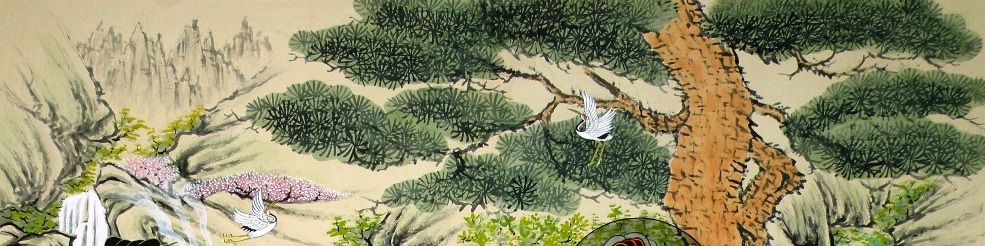
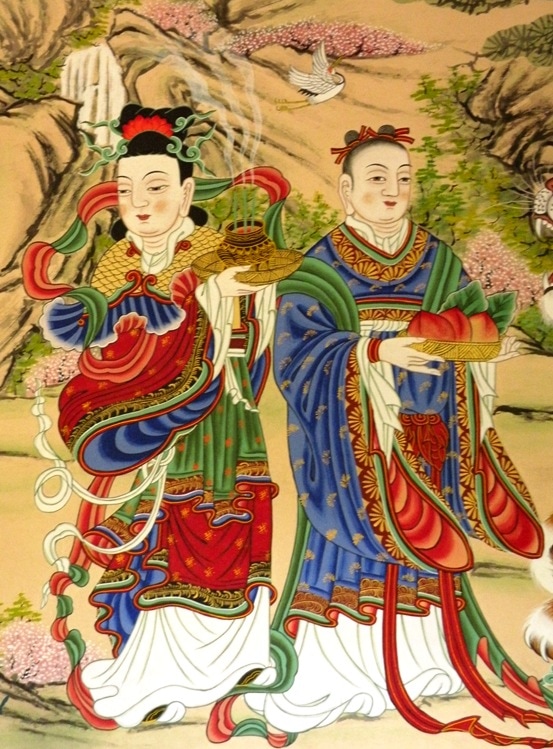
| dongja girl offers incense burner and dongja boy offers 3 immortality-peaches |
| the mountain-sage-king holds a bullocho / yeongji-beoseot sprig; tiger is crude / thick; green royal robe is very rare! |
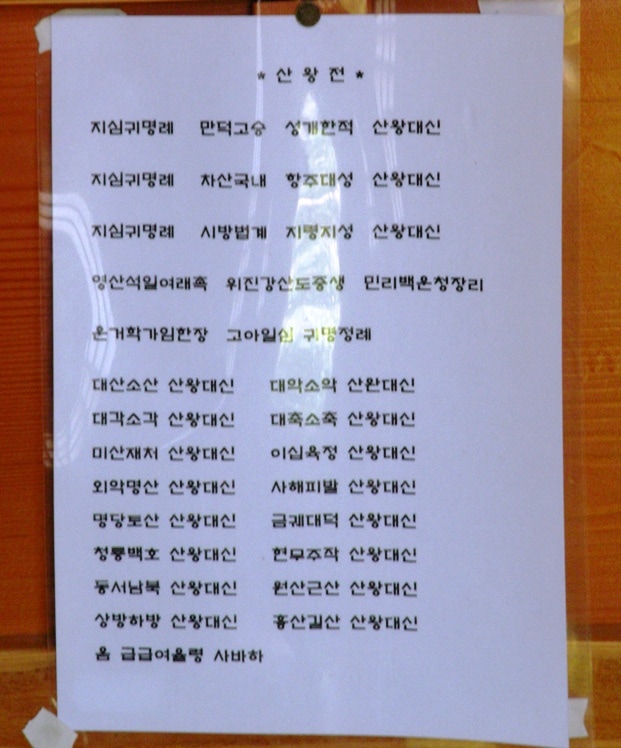
| on the lower front of that altar, the standard chant to venerate Sanshin is posted in Han-geul characters |
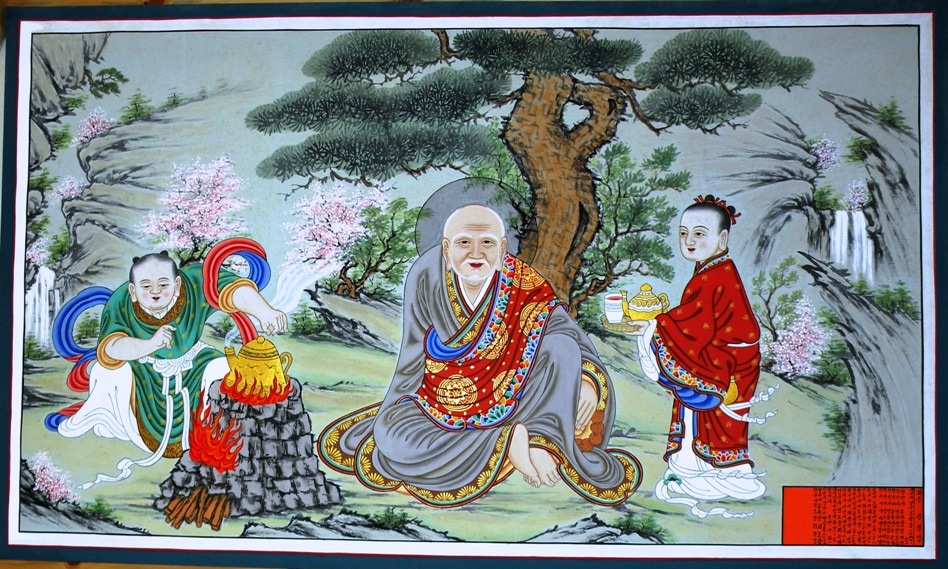
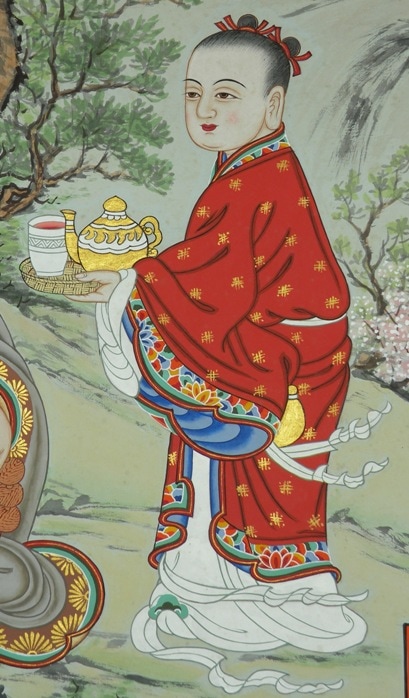
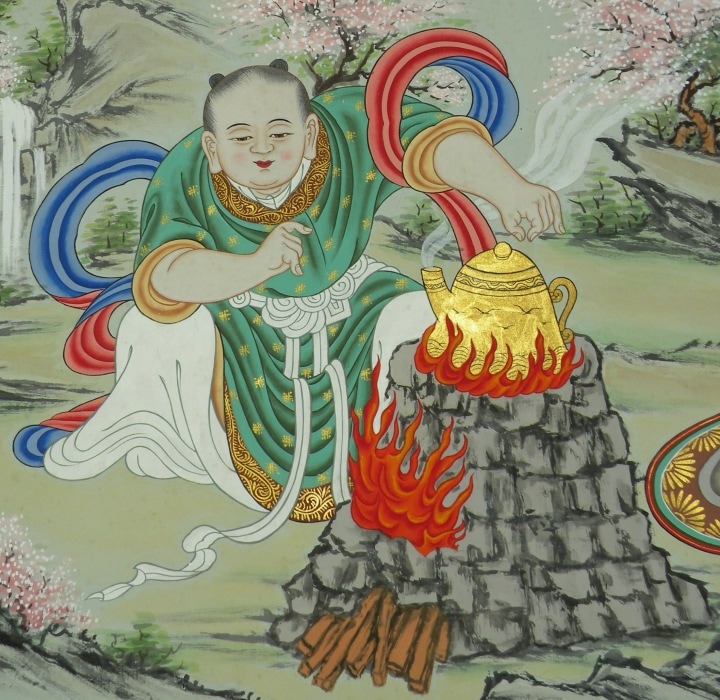
| that icon's companion, a beautiful modern Dokseong [Lone Saint] painting, with dongja boys preparing and serving tea to him |
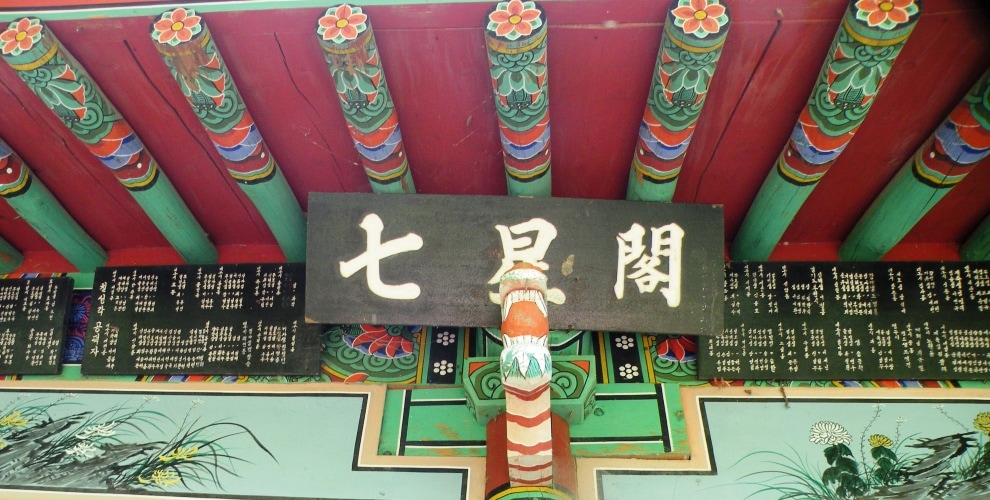
| below that new Samseong-gak, closer to the stream, sits an older Chilseong-gak |
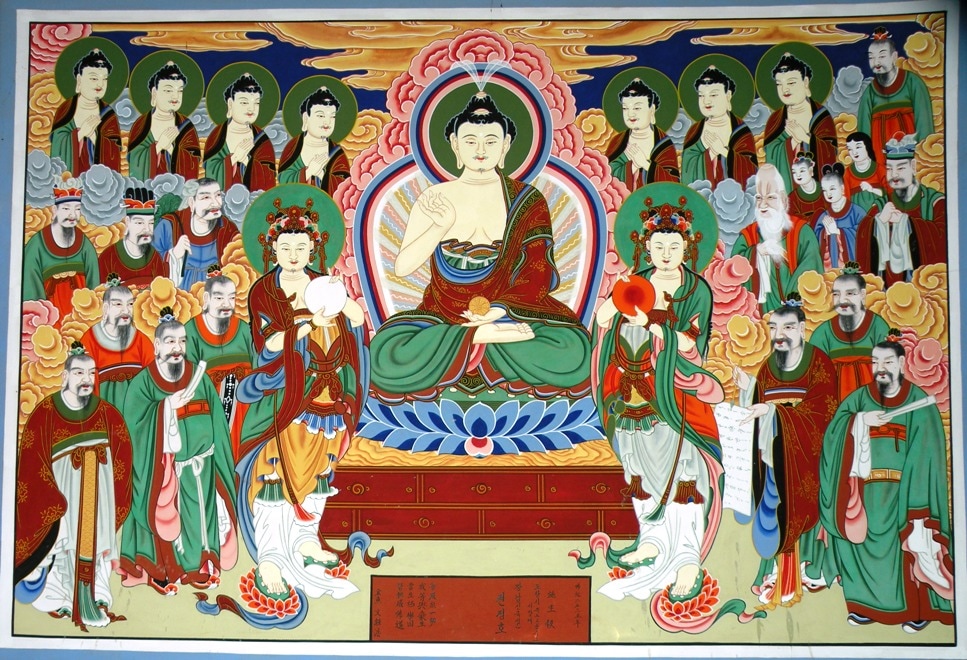
| modern and quite typical painting of the Seven Stars, Pole Stars, Sun & Moon Bodhisattvas, Jeseok-Buddha & etc |
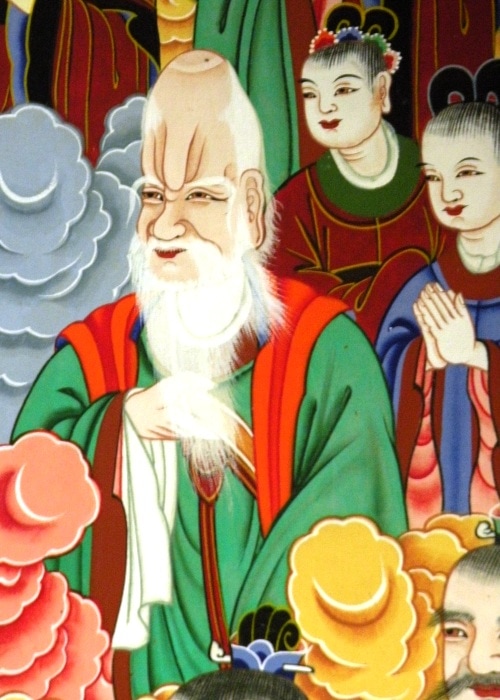
| Bukseong-shin, deity of Longevity |
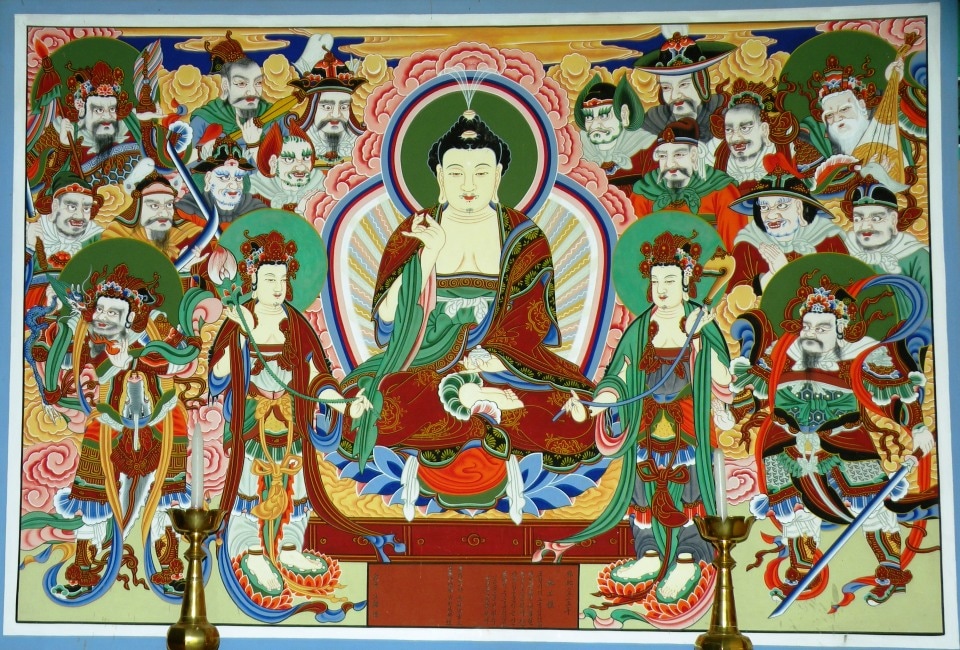
| also enshrined in there is Yaksa-yeorae, the Medicinal Buddha, with his full entourage |
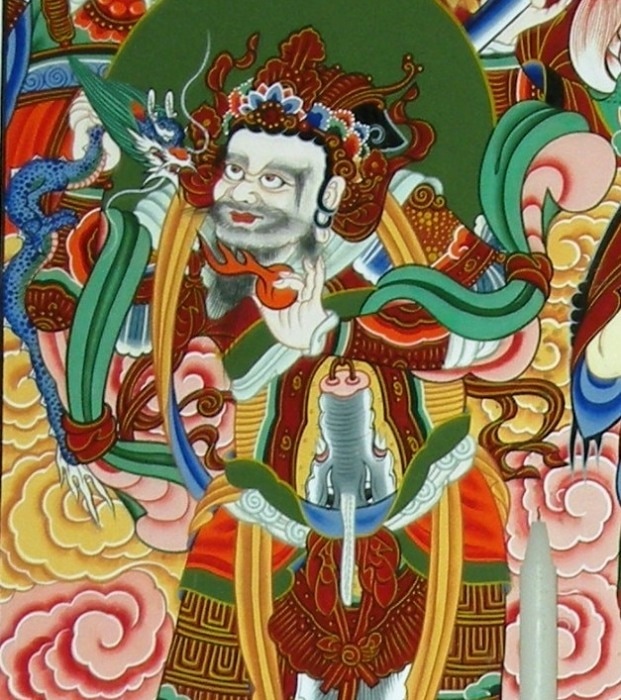
| Western Heaven-King, from that painting |
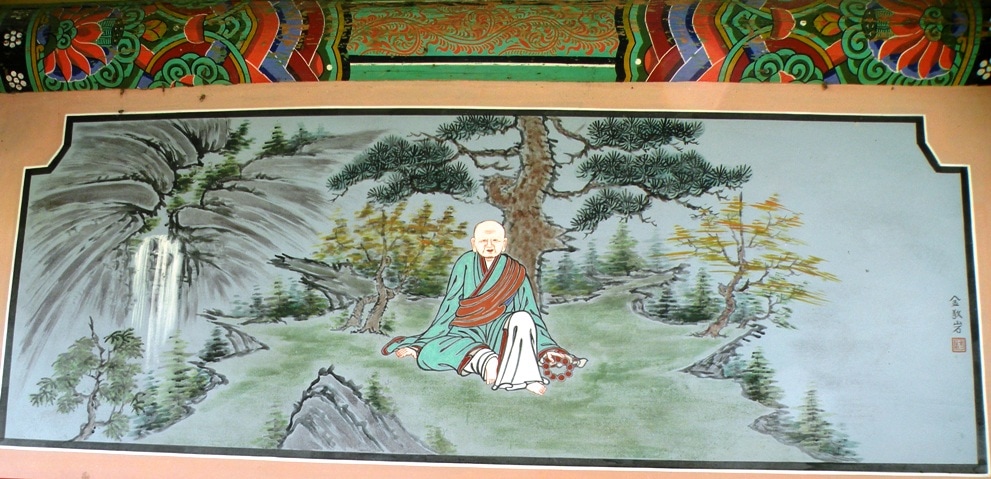
| nice simple Dokseong mural on the outside of that Chilseong-gak |
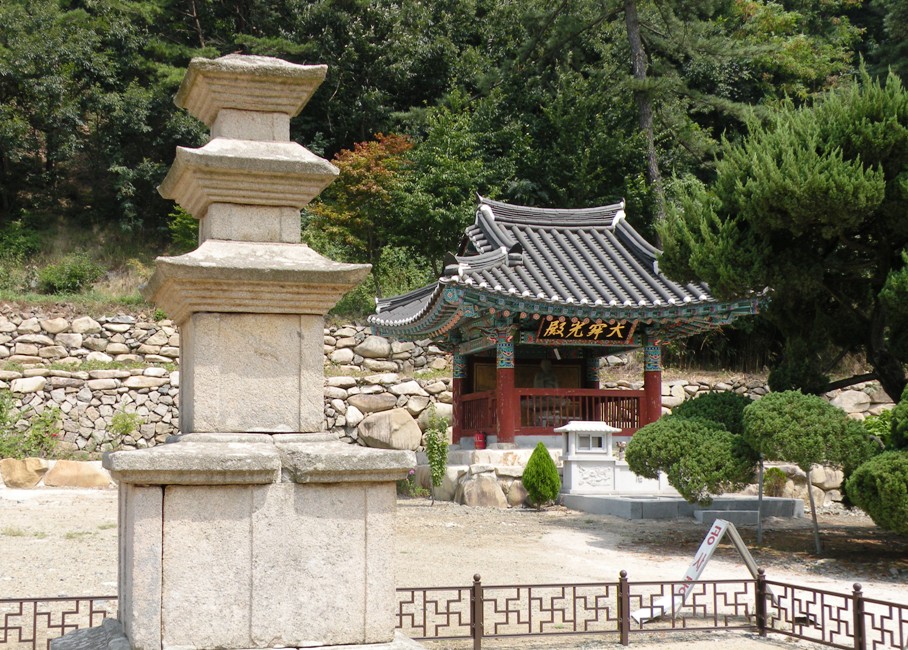
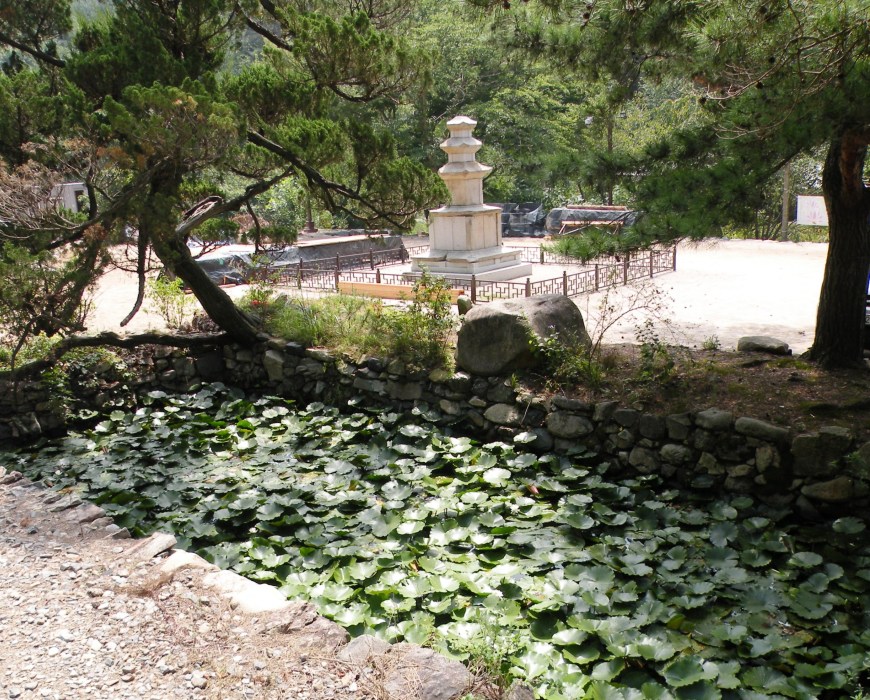
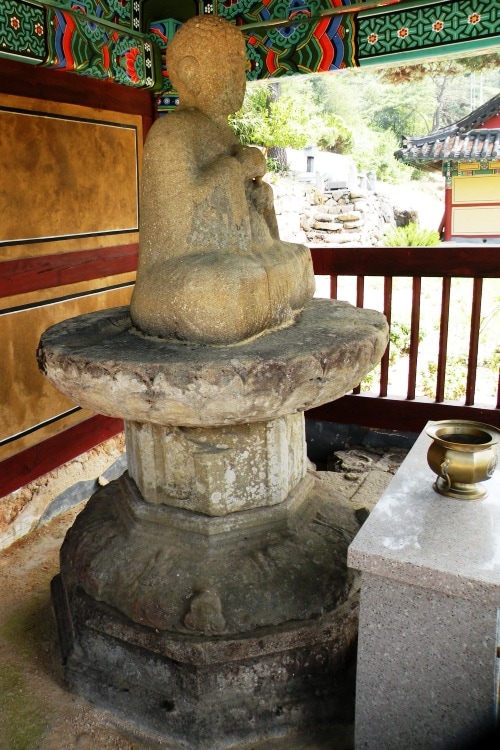
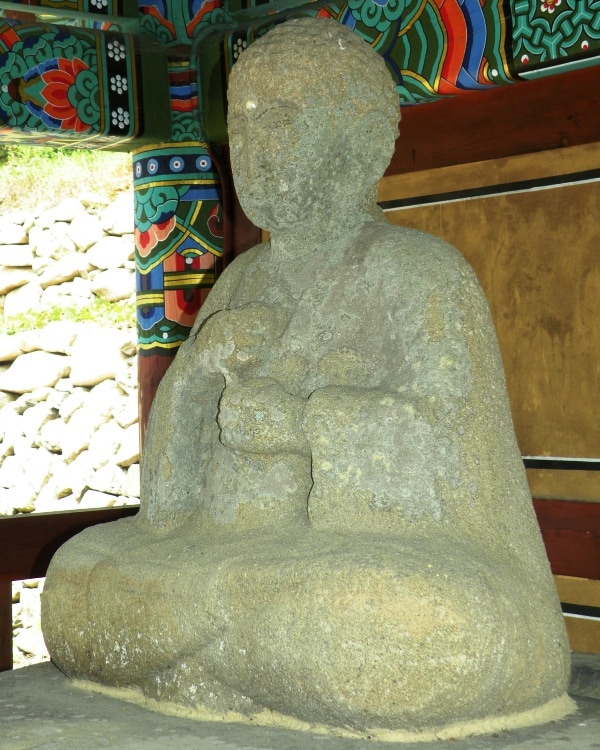
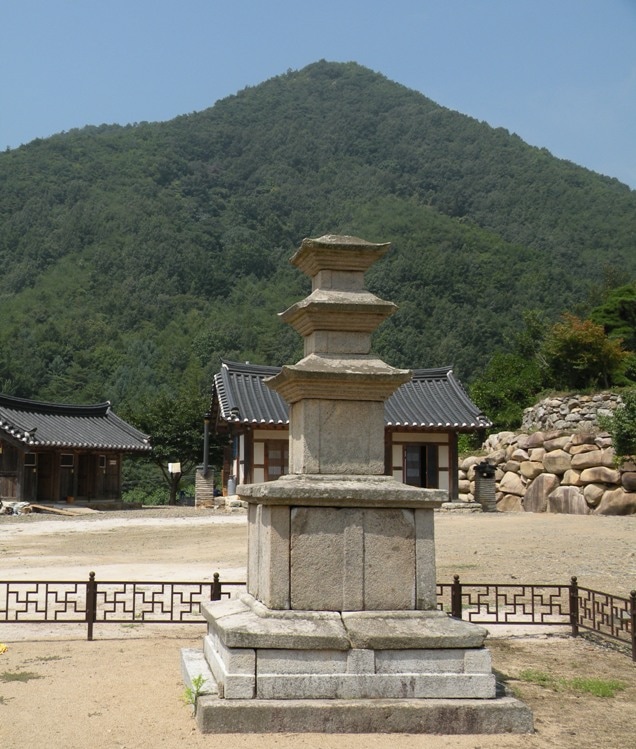
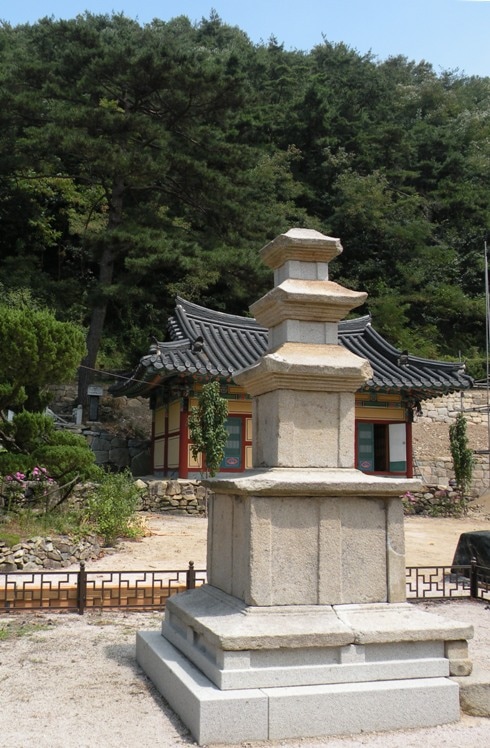
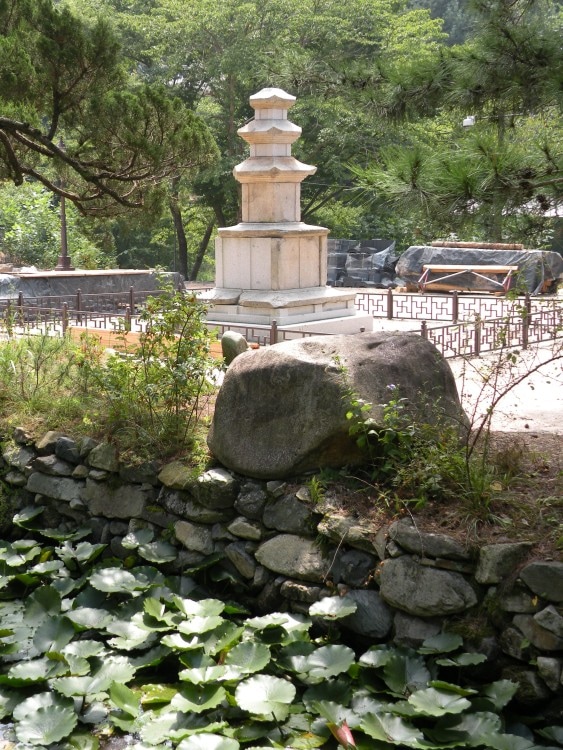
| The two ancient artworks remaining of the original temple here -- a 3-story stone pagoda designated as Treasure #675, and a seated stone statue of Biro-jwana-bul [Vairocana the Buddha of Infinite Cosmic Light] designated as Treasure #676 -- both from the 9th Century (end of Unified Shilla Dynasty) when Hwaeom Buddhism was popular -- both are damaged, incomplete and unexceptional. |
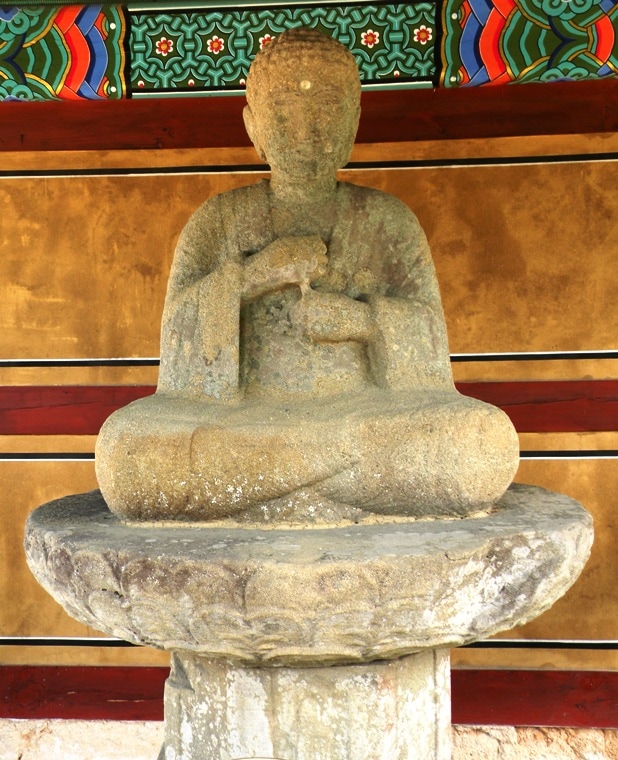
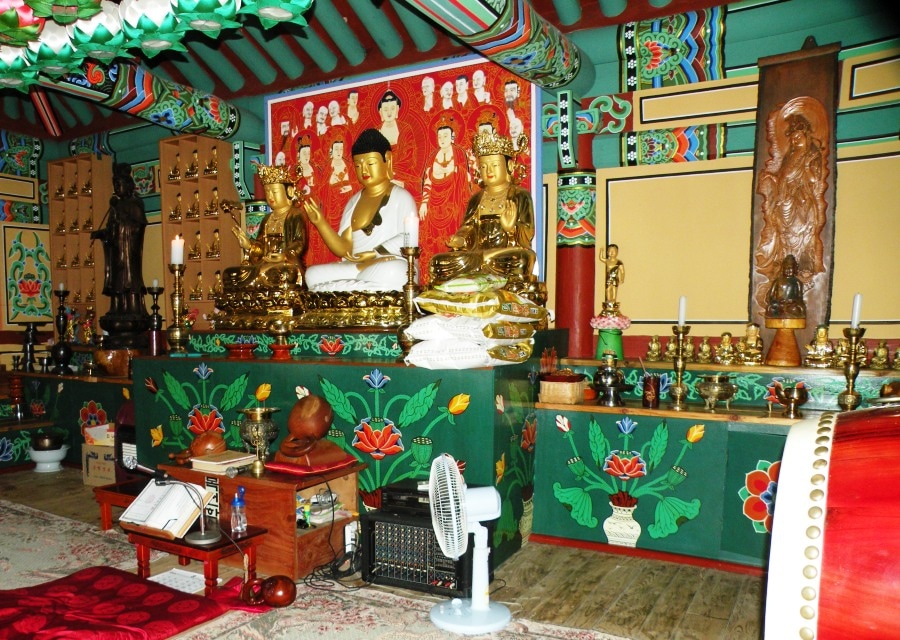
| Main Altar in the Main Hall |