| Gyeryong-san Gap-sa Temple's Samseong-gak Three-Saints Shrine |
Sa-Cheonwang-mun Four Heavenly-Kings Gate
Dae-ung-jeon Main Dharma Hall
Pyochung-won Shrine of Heroes
Daejeok-jeon and Gongu-tap Pagoda
Guryong-am Hermitage
Yongmun Waterfall
Shinheung-am with Boulder Pagoda
Gap-sa Temple Main Page
Gyeryong-san Index Page
Sanshin Site Contents Page
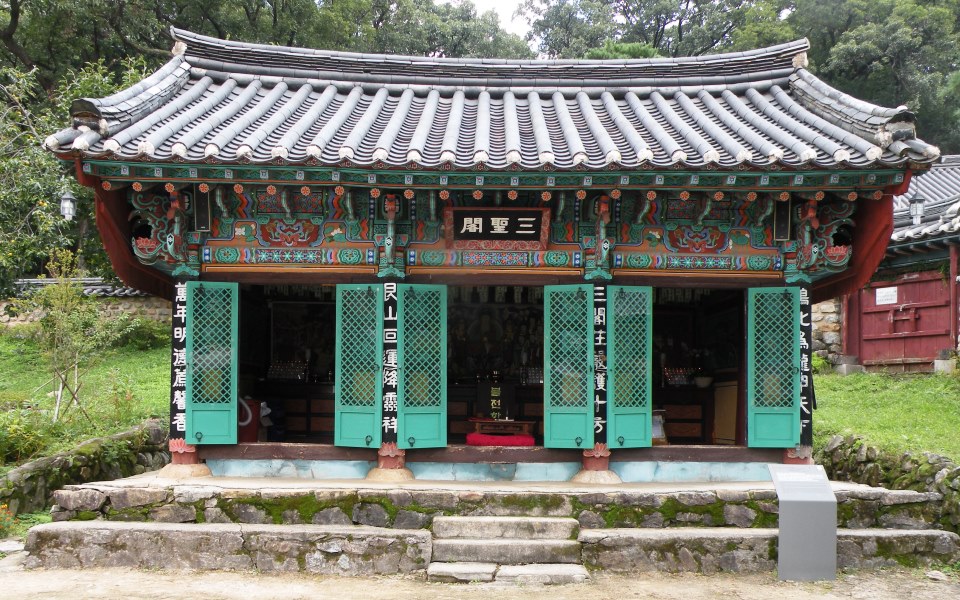
| Typical -- Sanshin on the right or left, ditto Doseong; Chilseong in the middle |
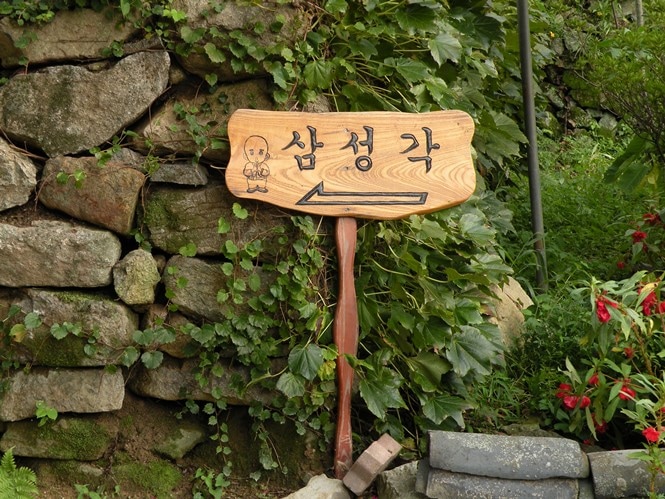
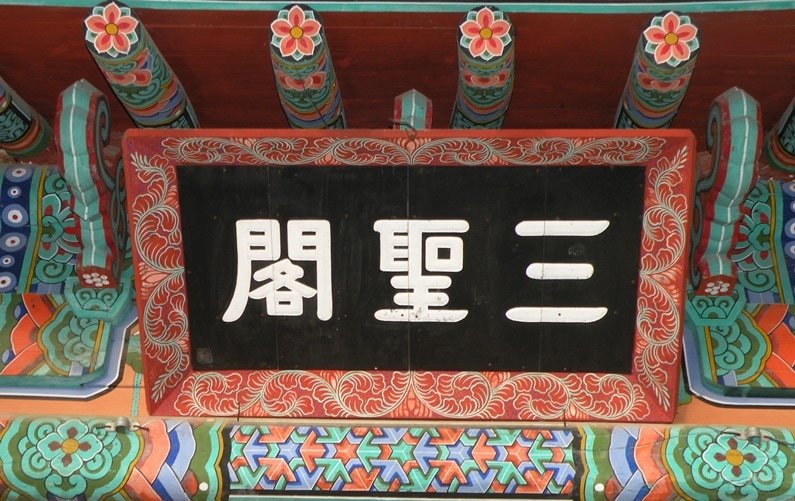
From my Encyclopedia of Korean Buddhism:
A Samseong-gak 삼성각 三聖閣 or "Three Saints Shrine" is a shrine-hall with three equal altars set
against the back wall, and usually three front doors, that enshrines three semi-official tutelary folk-
buddhist deities, the Sanshin [山神, Mountain-spirit], Chilseong [七星, Seven Stars of the Big Dipper]
and Dokseong [獨聖, Lonely Saint]. These combined shrines are a notable modern development,
starting in the late 20th century, replacing the smaller traditional individual Chilseong-gak [七星閣,
Seven Stars Shrine], Sanshin-gak [山神閣, Mountain-spirit Shrine], and Dokseong-gak [獨聖閣, Lonely Saint Shrine].
They are of about medium size among halls in the temple complexes, although a few are fairly large.
They are usually named on their single pyeon-aek [扁額, formal signboard] as a Samseong-gak or a
Three "Saints" Shrine, where this 聖 can also mean an enlightened Sage in Neo-Confucianism and
related systems, but in a Buddhist devotional sense we can use the Christian "saint" in translation.
This is the name of the hall in Chinese Buddhist temples that enshrines three standing Buddha
statues, the Buddhas of Past, Present and Future; this motif was never (or rarely) exactly duplicated
in Korea, but was incorporated in the design of the main altars in some Main Dharma Halls. The new
Korean halls are sometimes also named Samsin-gak [三神閣, Three Spirits Shrine], and on rare occasions
one will have three different pyeon-aek reading Sanshin-gak, Chilseong-gak and Dokseong-gak
above the respective doorways, possibly the actual signboards of the demolished shrines it replaced.
A few temples have erected Samseong-gak while still keeping one of the original shrines, usually the
Sanshin-gak, which will then have an older icon within it. Samseong-gak are usually located behind
and above the Main Dharma Halls, up a steep stairway and nestled in the pines or on a cliff with a
dramatic view out over the temple complex, just like most Sanshin-gak have always been. Some have
now been built in the main compound, however, flanking the Beopdang.
A Samseong-gak 삼성각 三聖閣 or "Three Saints Shrine" is a shrine-hall with three equal altars set
against the back wall, and usually three front doors, that enshrines three semi-official tutelary folk-
buddhist deities, the Sanshin [山神, Mountain-spirit], Chilseong [七星, Seven Stars of the Big Dipper]
and Dokseong [獨聖, Lonely Saint]. These combined shrines are a notable modern development,
starting in the late 20th century, replacing the smaller traditional individual Chilseong-gak [七星閣,
Seven Stars Shrine], Sanshin-gak [山神閣, Mountain-spirit Shrine], and Dokseong-gak [獨聖閣, Lonely Saint Shrine].
They are of about medium size among halls in the temple complexes, although a few are fairly large.
They are usually named on their single pyeon-aek [扁額, formal signboard] as a Samseong-gak or a
Three "Saints" Shrine, where this 聖 can also mean an enlightened Sage in Neo-Confucianism and
related systems, but in a Buddhist devotional sense we can use the Christian "saint" in translation.
This is the name of the hall in Chinese Buddhist temples that enshrines three standing Buddha
statues, the Buddhas of Past, Present and Future; this motif was never (or rarely) exactly duplicated
in Korea, but was incorporated in the design of the main altars in some Main Dharma Halls. The new
Korean halls are sometimes also named Samsin-gak [三神閣, Three Spirits Shrine], and on rare occasions
one will have three different pyeon-aek reading Sanshin-gak, Chilseong-gak and Dokseong-gak
above the respective doorways, possibly the actual signboards of the demolished shrines it replaced.
A few temples have erected Samseong-gak while still keeping one of the original shrines, usually the
Sanshin-gak, which will then have an older icon within it. Samseong-gak are usually located behind
and above the Main Dharma Halls, up a steep stairway and nestled in the pines or on a cliff with a
dramatic view out over the temple complex, just like most Sanshin-gak have always been. Some have
now been built in the main compound, however, flanking the Beopdang.
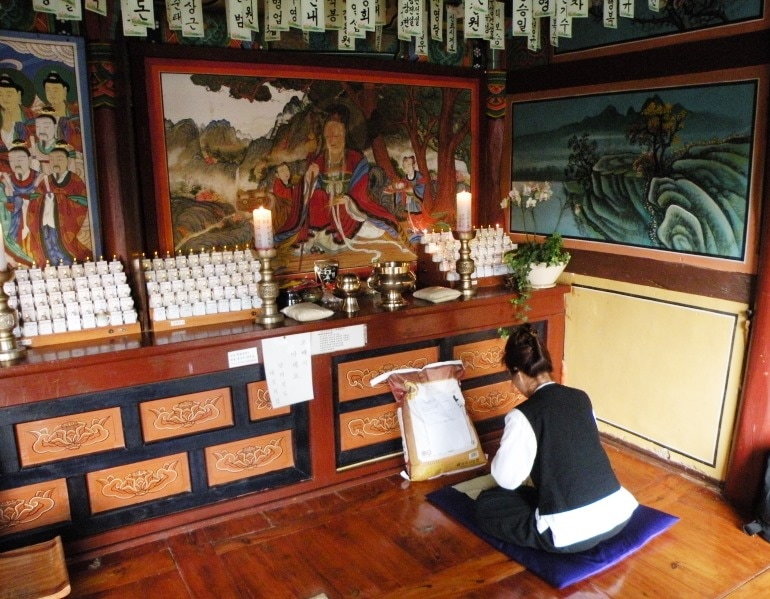
Most Samseong-gak have three taenghwa [畵, Icon-Painting] on the wall above the altars, with a statue
of the same deity in front of each; a Yaksa-yeorae-bul [藥師如來佛, Bhaisajyaguru, Medicinal or Healing Buddha]
or Bodhisattva statue often fronts the Chilseong painting. Smaller ones may have one against the
back wall and the other two on the two side-walls. Chilseong (symbol of heavenly powers) is usually
in the center of the triad, granting highest theoretical theological status. Occasionally, however, the
Sanshin (earthly natural powers) takes the middle due to that temple’s monks feeling an extra-special
devotion to it; he is actually the most popular with the laity; in very rare cases Dokseong (originally
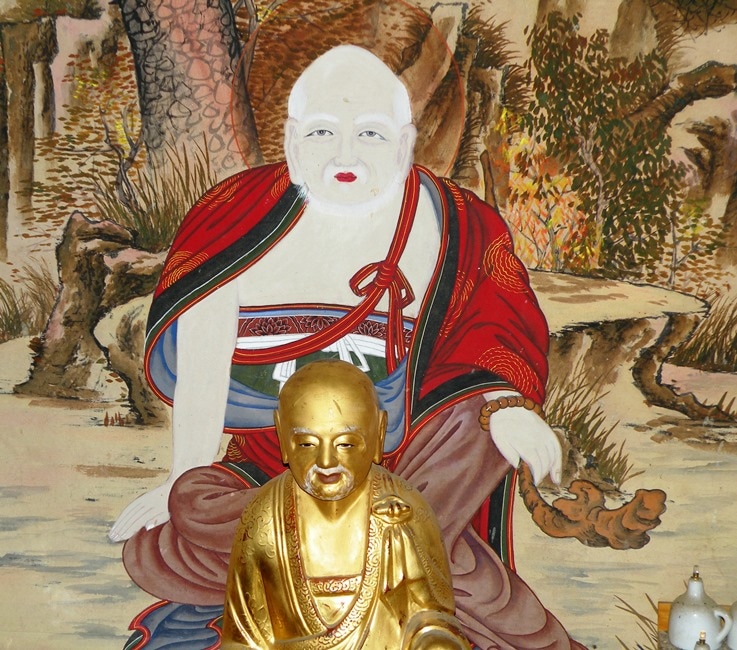
Pindola Arahan, a disciple of Seokgamoni-bul; human powers) is centered, in recognition that he is “more Buddhist”.
This triad therefore symbolizes the fundamental Cheon-Ji-In [天地人, Heaven, Earth and Humanity]
Buddhism (Dokseong) and native Shamanism (Sanshin) as the three spiritual traditions of East Asia
outside of governmental-secular Confucianism. Consideration of these two symbolic trinities increase
the spiritual profundity of these popular Korean folk-deities from Shamanic and Daoist roots within
the Buddhist religious context by enshrining them together.
This is one of the key factors of Korean Buddhism being truly “Korean”, a characteristic that
distinguishes it from the similar religions of other nations. It is typical of how it accommodated
and absorbed the traditional indigenous Korean Shamanism as it was imported, and added motifs
from Chinese Daoism which never became an official religion in Korea. Shamanism and early
Daoism are fluid conglomerations of spiritual ideas and techniques, lacking organized structures
but appealingly focused on harmony with nature, and therefore their practices and beliefs can
easily be incorporated into other religions or be easily incorporated by them. This syncretic blend
of Buddhism, Daoism and Shamanism constitutes a unique character of Korean Buddhism.
of the same deity in front of each; a Yaksa-yeorae-bul [藥師如來佛, Bhaisajyaguru, Medicinal or Healing Buddha]
or Bodhisattva statue often fronts the Chilseong painting. Smaller ones may have one against the
back wall and the other two on the two side-walls. Chilseong (symbol of heavenly powers) is usually
in the center of the triad, granting highest theoretical theological status. Occasionally, however, the
Sanshin (earthly natural powers) takes the middle due to that temple’s monks feeling an extra-special
devotion to it; he is actually the most popular with the laity; in very rare cases Dokseong (originally
Pindola Arahan, a disciple of Seokgamoni-bul; human powers) is centered, in recognition that he is “more Buddhist”.
This triad therefore symbolizes the fundamental Cheon-Ji-In [天地人, Heaven, Earth and Humanity]
Buddhism (Dokseong) and native Shamanism (Sanshin) as the three spiritual traditions of East Asia
outside of governmental-secular Confucianism. Consideration of these two symbolic trinities increase
the spiritual profundity of these popular Korean folk-deities from Shamanic and Daoist roots within
the Buddhist religious context by enshrining them together.
This is one of the key factors of Korean Buddhism being truly “Korean”, a characteristic that
distinguishes it from the similar religions of other nations. It is typical of how it accommodated
and absorbed the traditional indigenous Korean Shamanism as it was imported, and added motifs
from Chinese Daoism which never became an official religion in Korea. Shamanism and early
Daoism are fluid conglomerations of spiritual ideas and techniques, lacking organized structures
but appealingly focused on harmony with nature, and therefore their practices and beliefs can
easily be incorporated into other religions or be easily incorporated by them. This syncretic blend
of Buddhism, Daoism and Shamanism constitutes a unique character of Korean Buddhism.
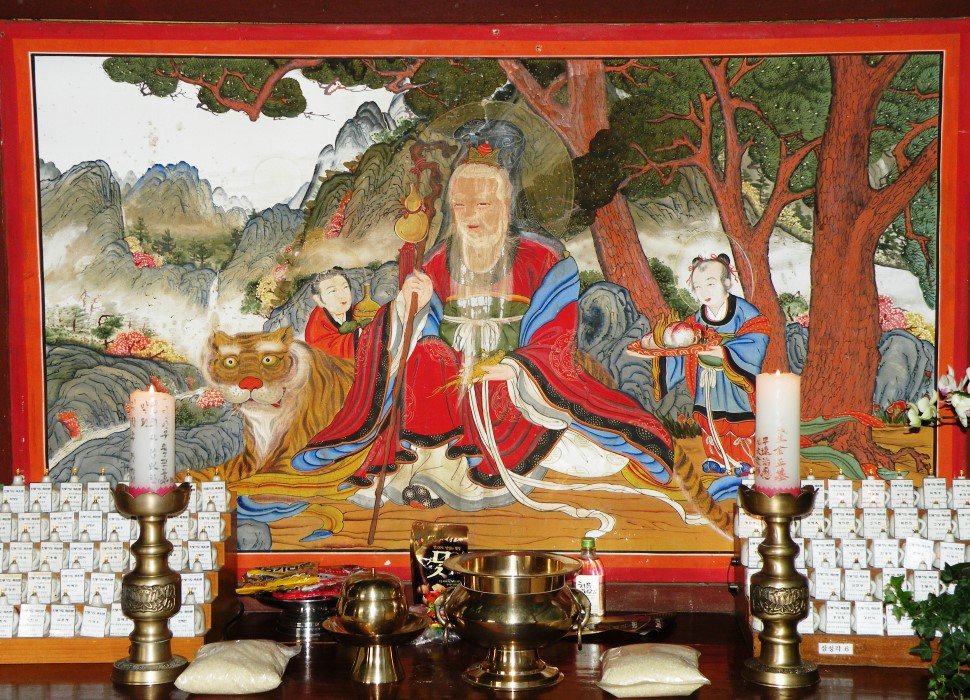
| The excellent modern Sanshin-taenghwa [山神, Mountain-spirit icon-painting] of the Gap-sa Samseong-gak |
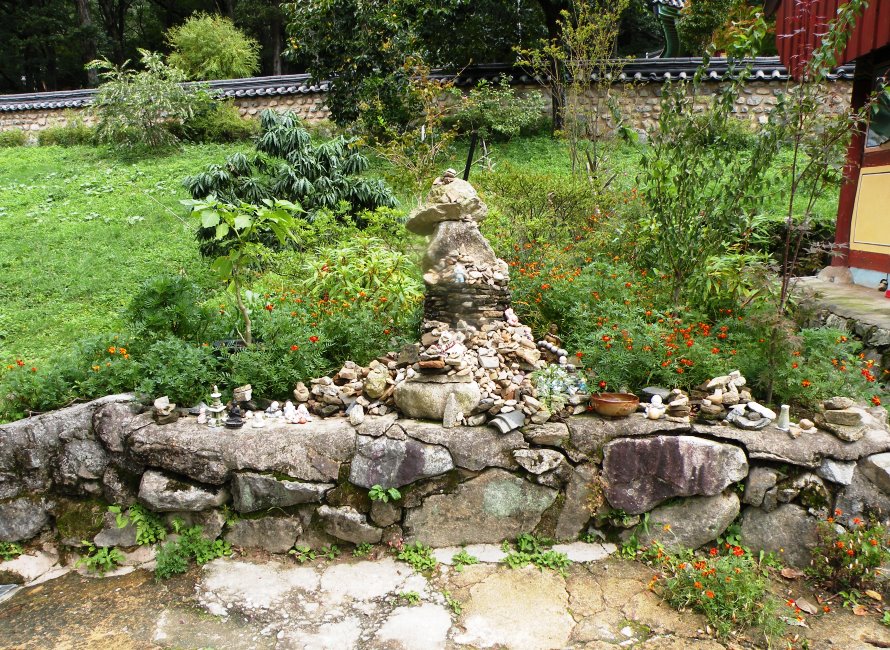
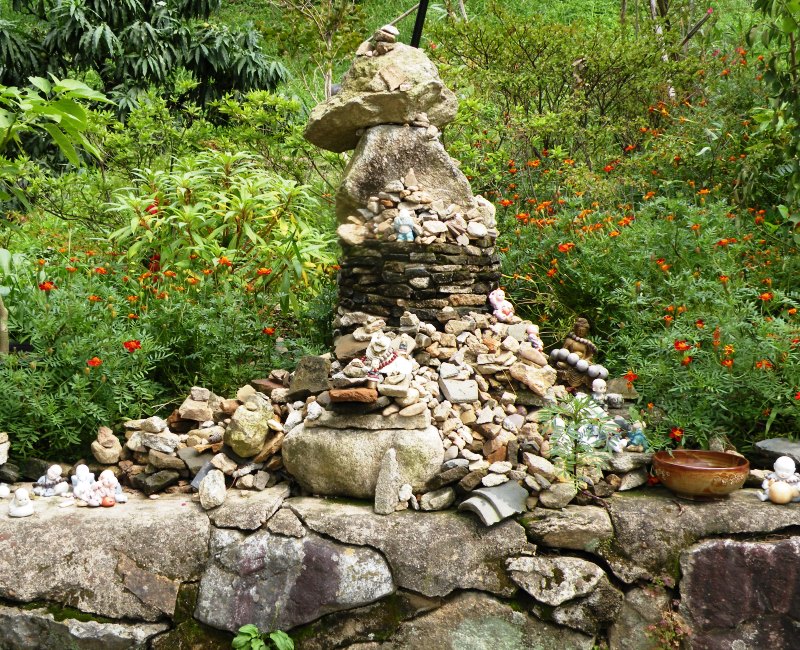
| Nature-spirit Doltap-dan [stone-pagoda altar] shrine with votive-figure offerings, outside this Samseong-gak -- some variation of these, always unique, are common features. |
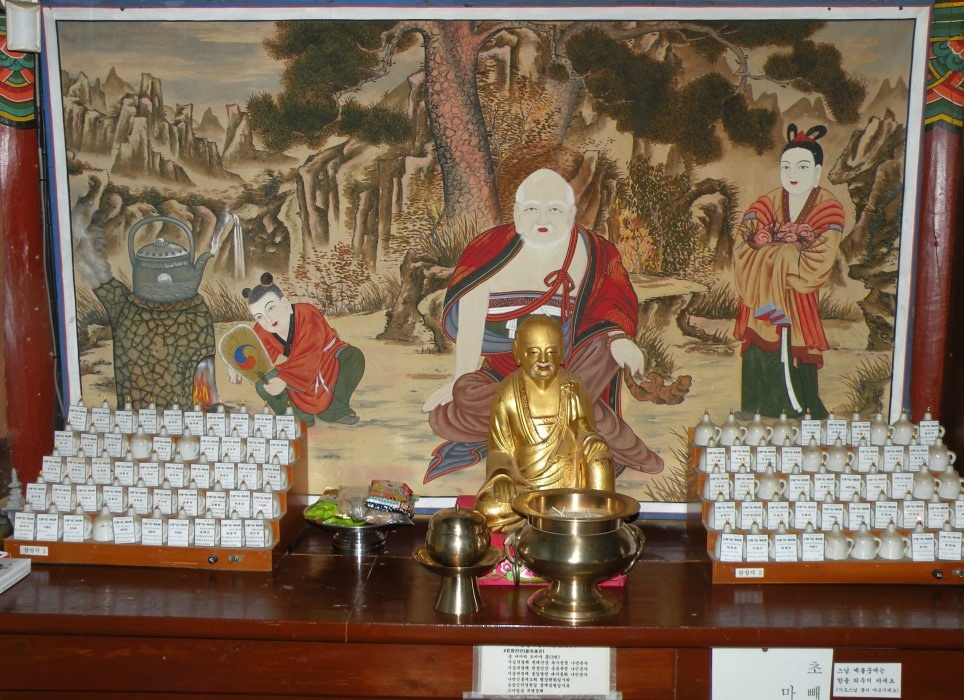
| The fine modern Dokseong-taenghwa [獨聖, Lonely Saint icon-painting] of the Gap-sa Samseong-gak |
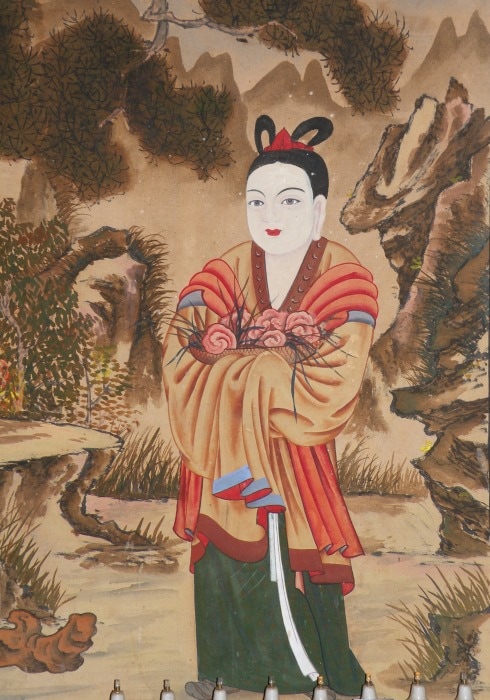
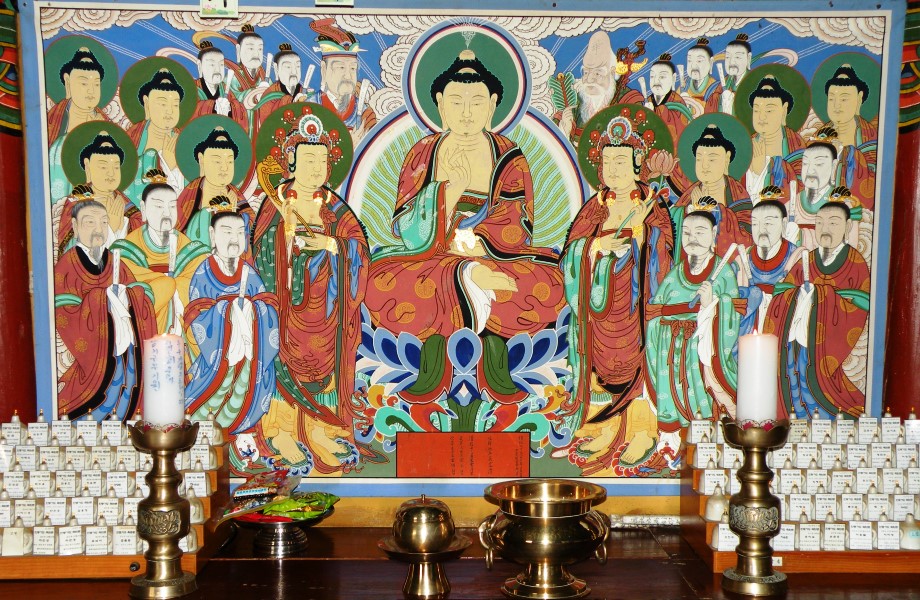
| The fine modern Chilseong-taenghwa [七星, Seven Stars of the Big Dipper icon-painting] of the Gap-sa Samseong-gak |
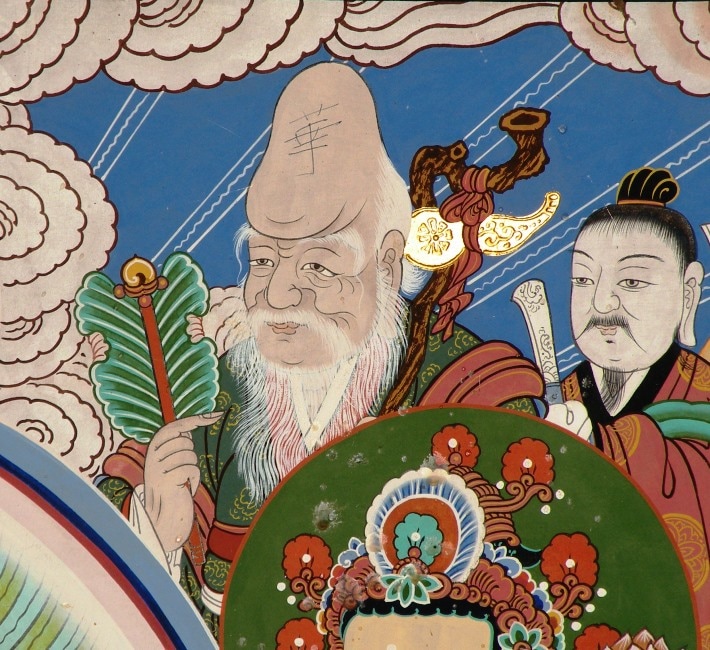
| The Bukseong-shin [North Star Spirit], popular Chinese God of Longevity, in this Chilseong-do -- with the Hanja chinese-character Su [Longevity] as the lines on his extended ancient forehead! |
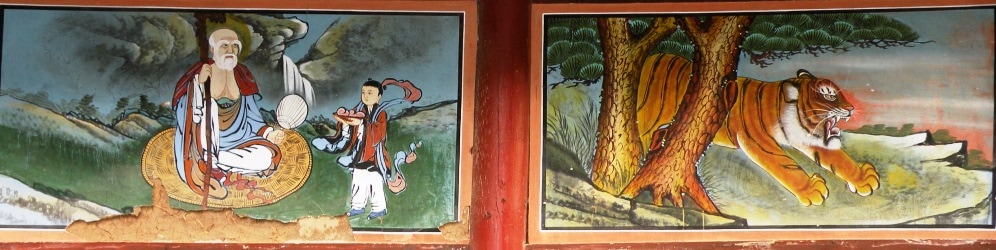
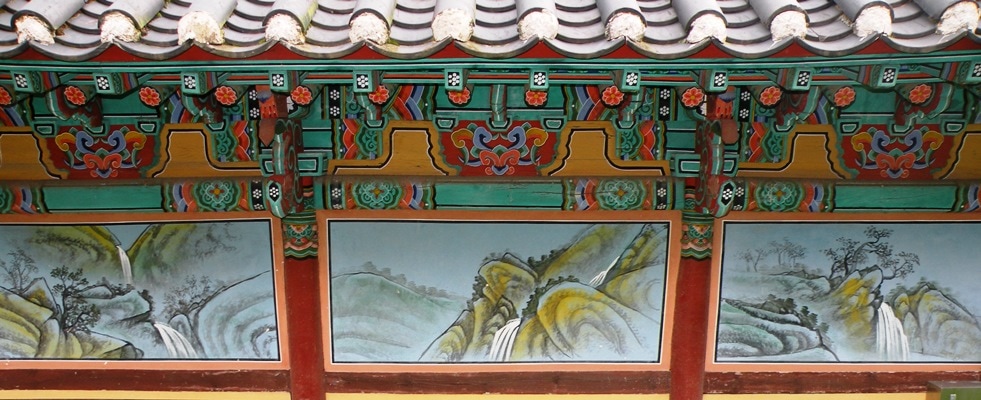
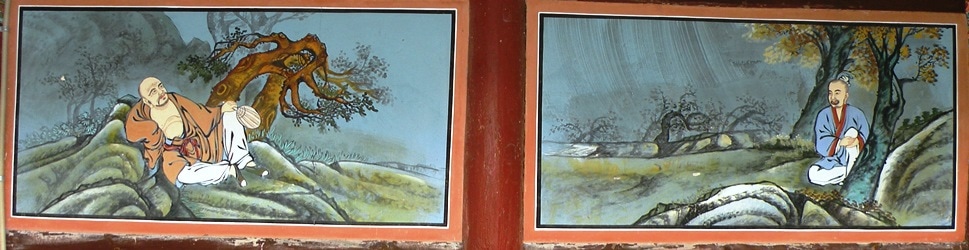
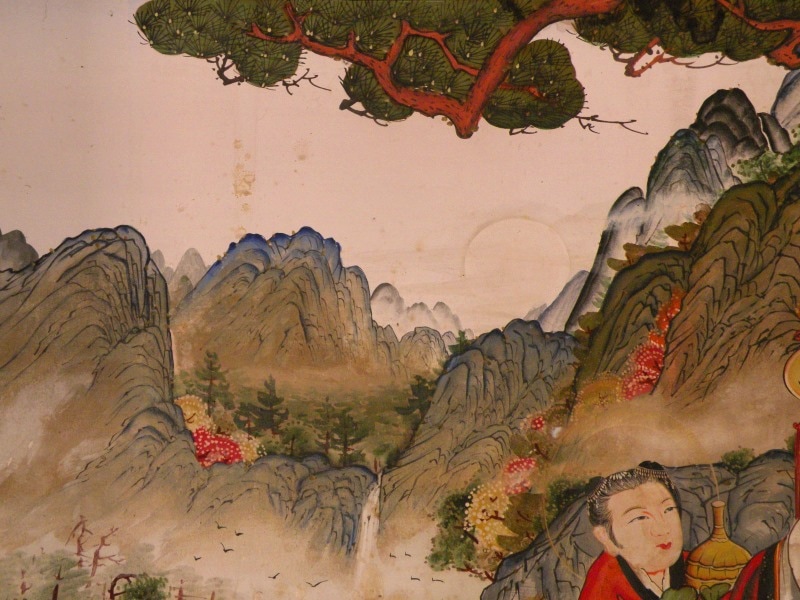
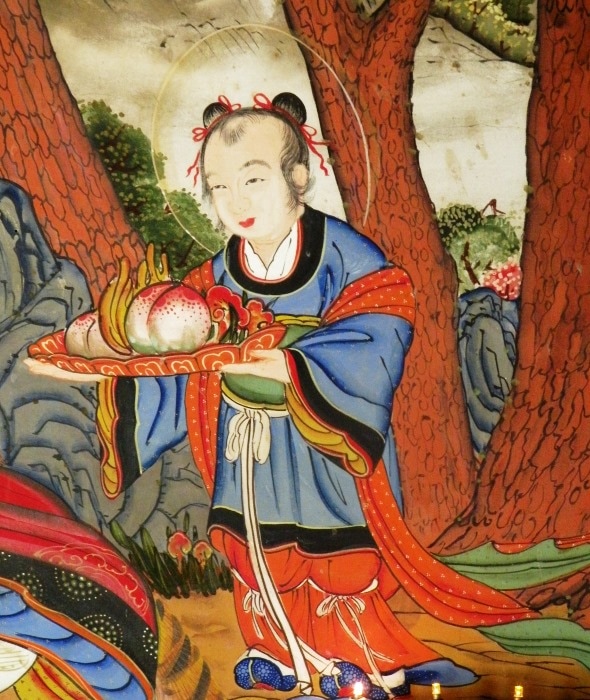
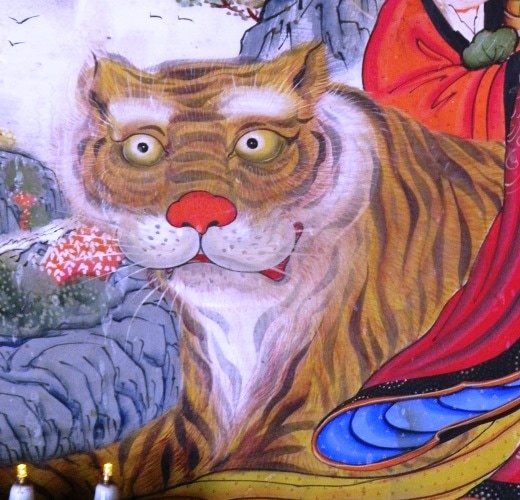
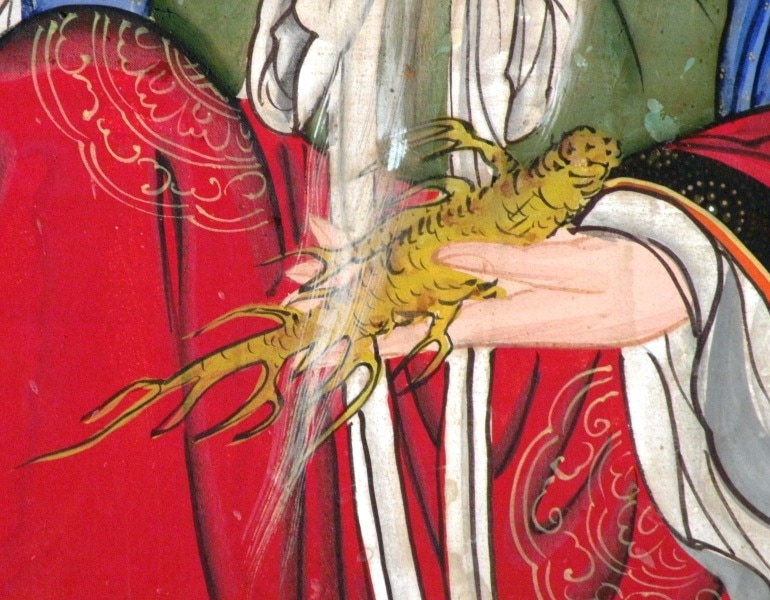
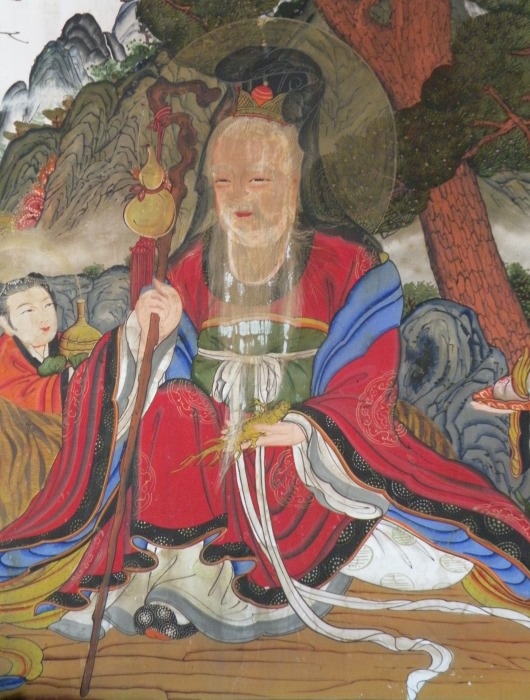
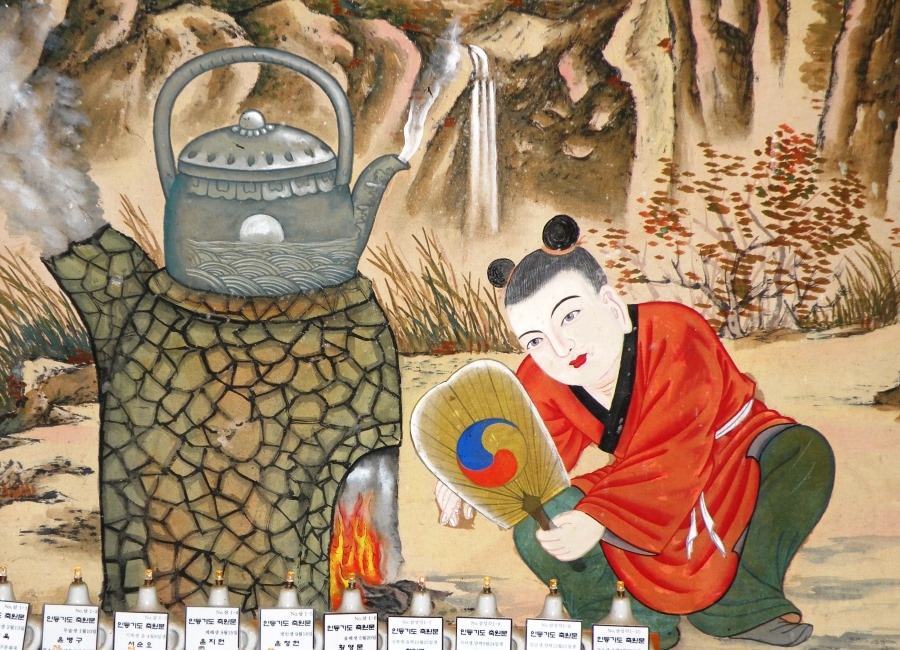
| Folk-Daoist-Shamanic murals of Dokseong, Tiger, mountain-water landscapes and Immortals are on the outer sides and rear of this Samseong-gak, which is typical. |