| Gyeryong-san Gap-sa Temple's Pyochung-won Shrine Monastic Heroes of the 1592-98 Imjin War |
During the Imjin Waeran 壬辰倭亂 or 1592-8 Japanese Invasion of Korea, Gap-sa served as a center
of armed resistance by monastic-militias under command of Master Yeonggyu. All its buildings were
burnt to the ground by the samurai army in 1597 as revenge for this successful guerrilla-warfare effort.
Gap-sa was rebuilt with Joseon royal support in 1604, and then further expanded in 1654 with similar
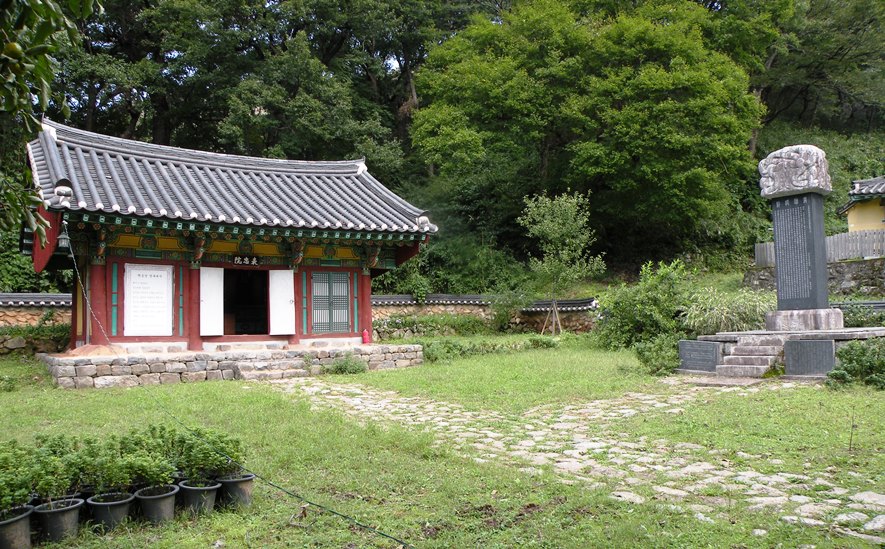
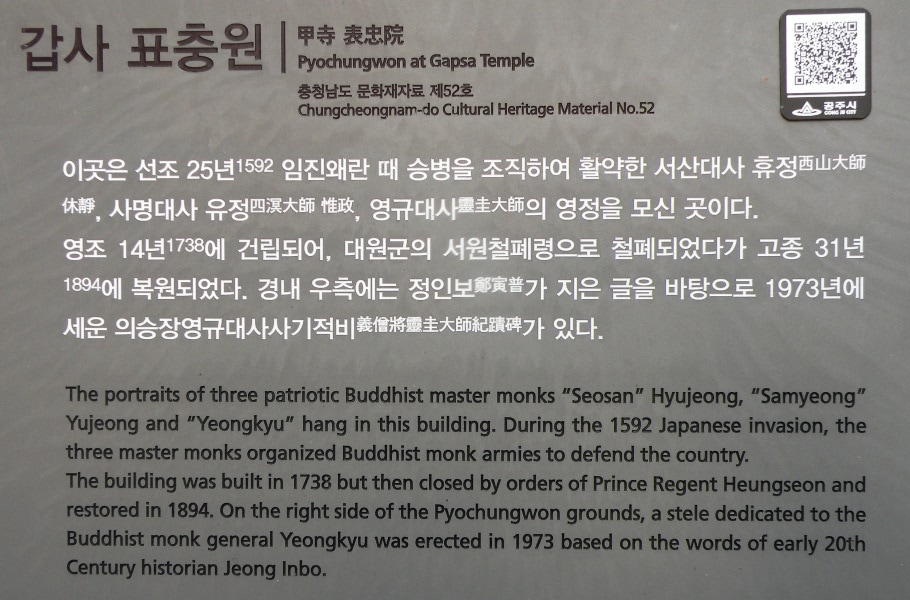
support, including the addition on its southwest corner of the Pyochung-won 表忠院 or "Honoring
Loyalty Hall", which enshrines portraits of the three enlightened Masters who were the main leaders
of the national warrior-monk-militias fighting against the Japanese invaders. They are Great Seon
Master Seosan 西山 Hyujeong (1520–1604) and his top disciples Sa-myeong 四溟 Yujeong (1544–
1610; also known as Samyeong-daesa and Samyeong-gong because he served as successful peace-
making Ambassador to Japan after the war) and Yeonggyu 靈圭. After an accidental fire, this shrine
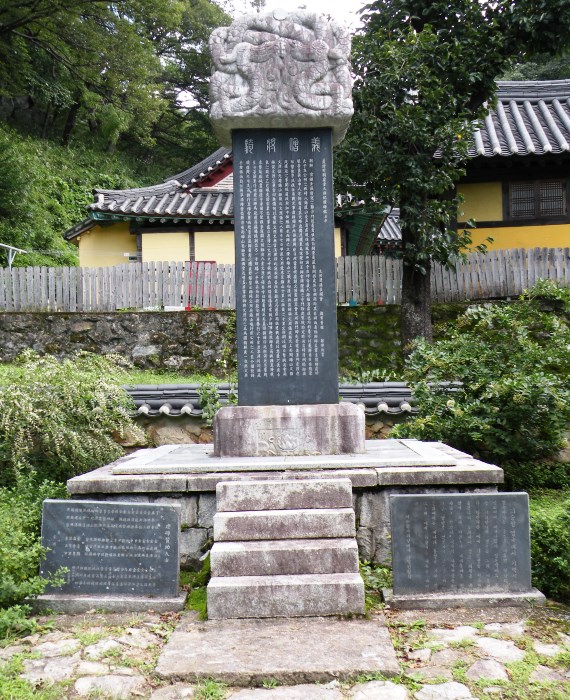
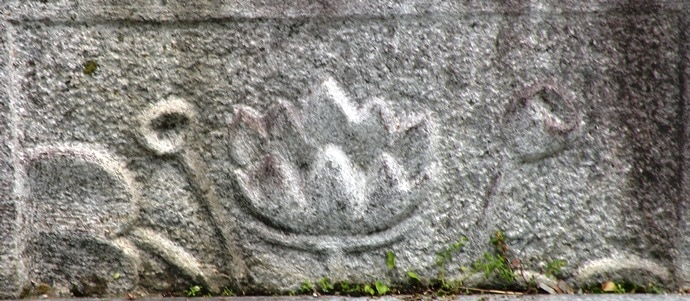
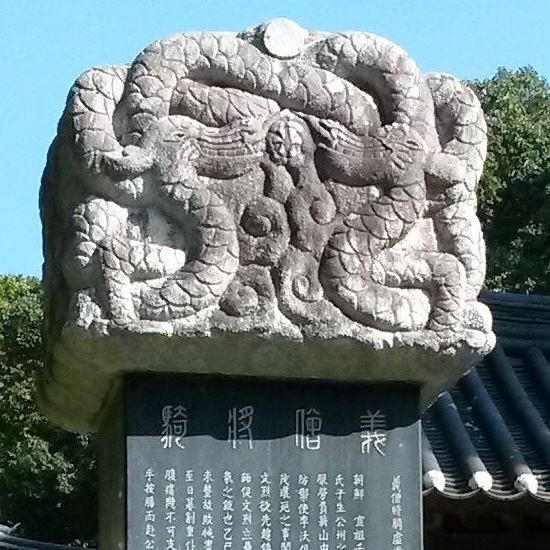
was rebuilt in 1738. The large detailed biseok stele-monument was added in 1973 as part of the
nationwide upgrading of historic cultural sites by the Park Administration (1961-79).
For this historic reason Gap-sa is known as one of the key temples of the Hoguk Bulgyo 護國佛敎 or
"Nation-Protecting Buddhism" tradition, and this shrine exemplifies that proud status. Several other such
shrines were constructed with Joseon royal support, most notably Pyochung-sa Temple (mainly enshrines
Seosan) in Miryang County, Hongje-am Hermitage (for Sa-myeong) next to Gaya-san Haein-sa Monastery,
the Samyeong-daesa Shrine in Hwangak-san Jikji-sa Monastery in Gimcheon City, and the Pyochung-
won Shrine (all 3, like this one) in Duryun-san Daeheung-sa Monastery in Haenam County.
of armed resistance by monastic-militias under command of Master Yeonggyu. All its buildings were
burnt to the ground by the samurai army in 1597 as revenge for this successful guerrilla-warfare effort.
Gap-sa was rebuilt with Joseon royal support in 1604, and then further expanded in 1654 with similar
support, including the addition on its southwest corner of the Pyochung-won 表忠院 or "Honoring
Loyalty Hall", which enshrines portraits of the three enlightened Masters who were the main leaders
of the national warrior-monk-militias fighting against the Japanese invaders. They are Great Seon
Master Seosan 西山 Hyujeong (1520–1604) and his top disciples Sa-myeong 四溟 Yujeong (1544–
1610; also known as Samyeong-daesa and Samyeong-gong because he served as successful peace-
making Ambassador to Japan after the war) and Yeonggyu 靈圭. After an accidental fire, this shrine
was rebuilt in 1738. The large detailed biseok stele-monument was added in 1973 as part of the
nationwide upgrading of historic cultural sites by the Park Administration (1961-79).
For this historic reason Gap-sa is known as one of the key temples of the Hoguk Bulgyo 護國佛敎 or
"Nation-Protecting Buddhism" tradition, and this shrine exemplifies that proud status. Several other such
shrines were constructed with Joseon royal support, most notably Pyochung-sa Temple (mainly enshrines
Seosan) in Miryang County, Hongje-am Hermitage (for Sa-myeong) next to Gaya-san Haein-sa Monastery,
the Samyeong-daesa Shrine in Hwangak-san Jikji-sa Monastery in Gimcheon City, and the Pyochung-
won Shrine (all 3, like this one) in Duryun-san Daeheung-sa Monastery in Haenam County.
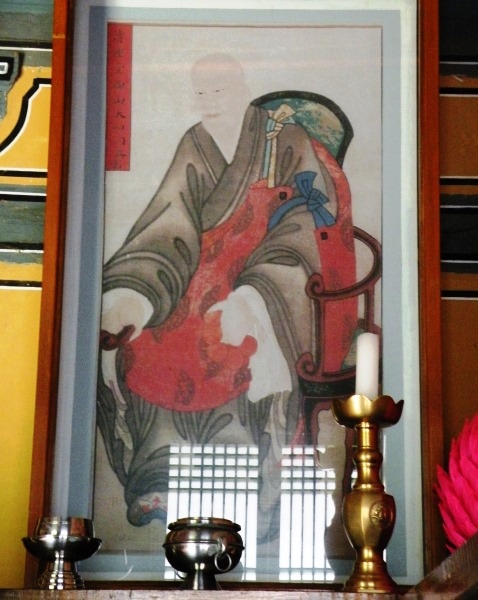
| Great Seon Master Seosan 西山 Hyujeong |
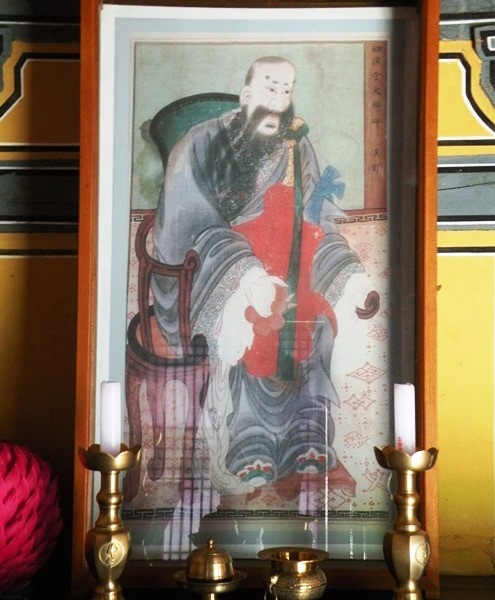
| Great Seon Master Sa-myeong 四溟 Yujeong |
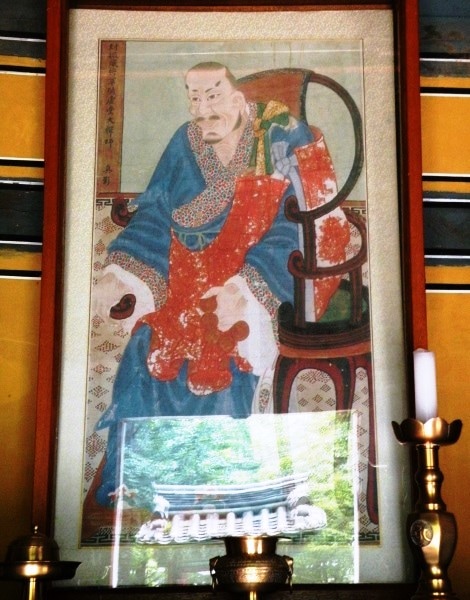
| Great Seon Master Yeonggyu 靈圭 |
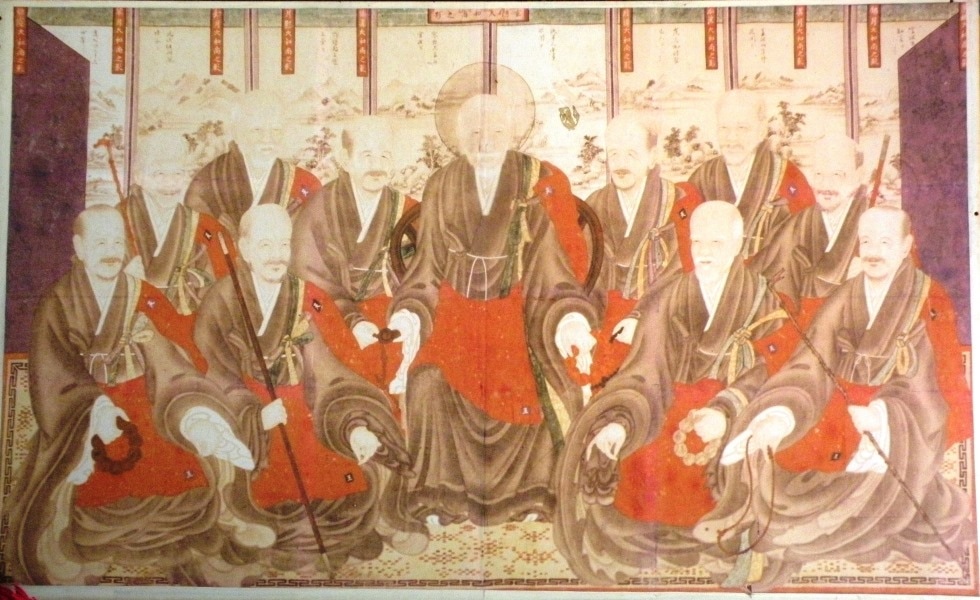
| 1738 ritual-portrait of Great Seon Master Seosan surrounded by his ten disciples that gained full enlightenment and then master-status under his instruction -- a tutelary/lineage accomplishment only matched by Great Hwaeom-Founding Master Uisang in 7th-century Shilla. |
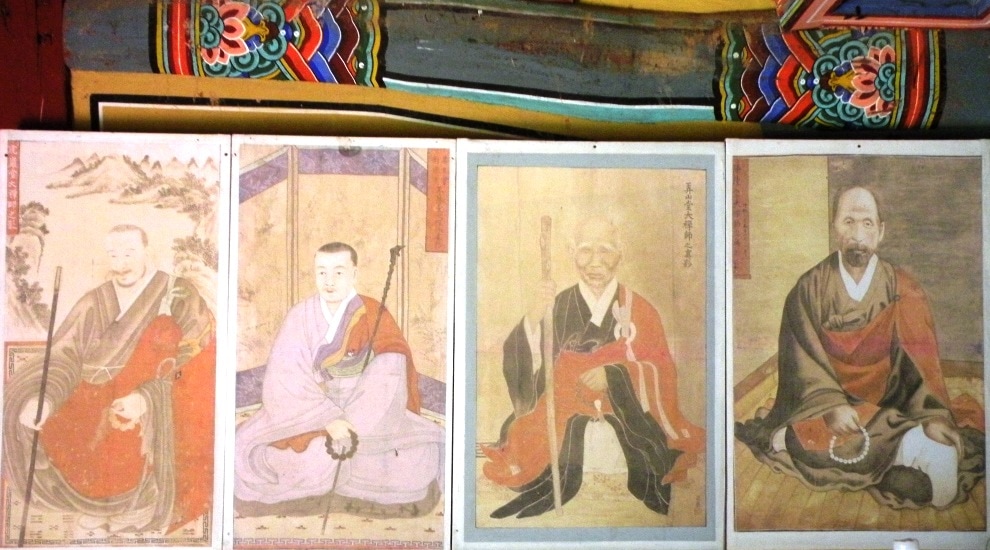
| Ritual-portraits of some of the OTHER great masters that have served as abbot or chief-teacher at Gap-sa for some 1600 years -- making this hall also serve as a Josa-jeon or Founder's Hall to respect the past masters. |
Entranceway Features
Sa-Cheonwang-mun Four Heavenly Kings Gate
Dae-ung-jeon Main Dharma Hall
Samseong-gak / Three Saints Shrine
Daejeok-jeon and Gongu-tap Pagoda
Guryong-am Nine Dragons Hermitage
Yongmun Pokpo Dragon-Gate Waterfall
Shinheung-am with Boulder Pagoda
Main Gap-sa Page
Mt. Gyeryong-san Index Page
Sanshin Site Contents Page
Sa-Cheonwang-mun Four Heavenly Kings Gate
Dae-ung-jeon Main Dharma Hall
Samseong-gak / Three Saints Shrine
Daejeok-jeon and Gongu-tap Pagoda
Guryong-am Nine Dragons Hermitage
Yongmun Pokpo Dragon-Gate Waterfall
Shinheung-am with Boulder Pagoda
Main Gap-sa Page
Mt. Gyeryong-san Index Page
Sanshin Site Contents Page